
musings on a lazy evening
If I had to put together three words that describe me, one of them would be ‘slow’. Yes, my mother tells me that she and my elder siblings would find me leaning against the wall, day- dreaming, instead of getting ready for school. I would eat slowly, walk and talk slowly, stare slowly… Cut to contemporary times, I’m still a day-dreamer, and do things in a certain rhythm even when catching deadlines. And therefore, the colossal hurry that everyone seems to be in doesn’t suit me much.
I recently participated in an artistic exercise* that focused on the concept of ‘noise’, in its auditory and conceptual definitions, and the ways in which one would deal with the idea of these disturbances, whether one is in control of them or not.
It was interesting to analyse and understand what creates that noise for me on an everyday basis, because of the way we are used to taking everything for granted in the speed of everyday living. One of the primary things that appeared on my list was the constant requirement to respond to large numbers of texts on whatsapp and other messengers, and pieces of information (documents, pdfs, catalogs, photos etc) popping up on my phone through social media channels and apps. The overriding and unspoken demand is that one is bound to answer instantaneously, because it is the norm. Which I RESIST. I appreciate the convenience of instant connection for work, and value staying in touch with friends– but at my pace.
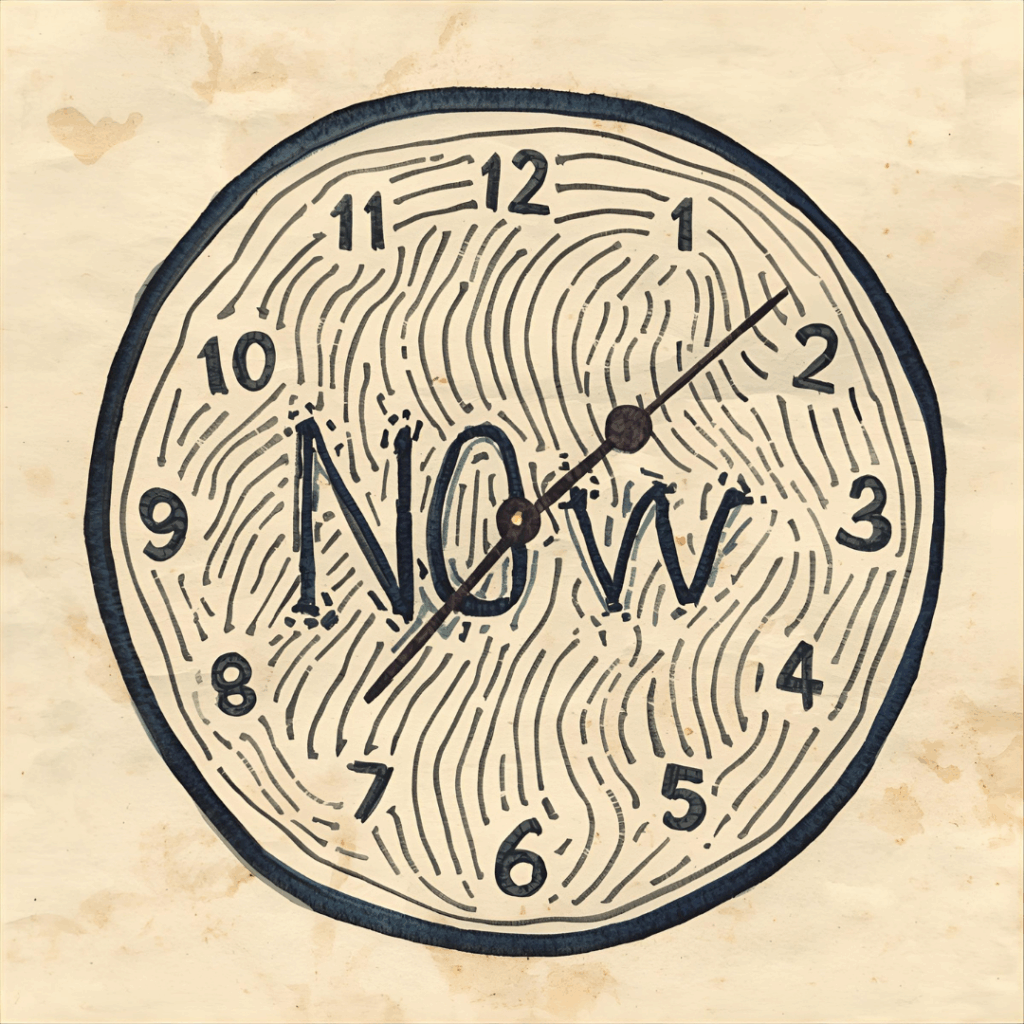
Over the years I have built a disciplined system of working, with the highest regard for schedules and accountability, that I encourage and expect from those who work with me as well. If something is being delayed, my clients will be the first to know. But no Sunday messaging and late-night calls! Things can wait. There’s more to life than completing tasks, thinking about work and filling time and space with chatter.
As someone from the generation that has gone from chunky dial-phones to smart-phones, and analogue processes to digital ones, this constant need to catch up with notifications and the consciousness of being seen and heard appears like a sort of psychological warfare, the recipe for anxiety. I gape at people’s device screens sometimes (in buses and airports when it’s pushed into my gaze) and the speed at which they engage with visuals and text, often saying and unsaying words in rapid succession. Deletion – going backwards, erasing, editing– it feeds the habit of surfeit, like taking lots of pictures because you know you can remove the extras. A far cry from a hand written letter, or a roll of film, that you took time with, to express or capture with intent and feeling.
I have noticed people deleting messages because they remain unseen for a while, and the weight of their overthinking reaches me even when I want to play no part in it. As a writer, I understand the meaning and power of words and the motions one goes through to express them; the idea of deleted messages is a space of discomfort, a pre-empting of things that do not exist.
AI wants to give me summaries, tells me this is an ‘8-minute read’ or a ‘4-minute read’ and decides I have less or no time – I don’t want this but now its all part of the system, and it’s baffling to navigate settings to remove them. Everything becomes about data, numbers, algorithms, feeding some beliefs that attention spans are low; even in galleries and museums we are asked to reduce texts because people won’t read them.
Where is the sense of leisure, the ‘aaram se’ that a friend of mine often uses, the time to stare into space and day-dream? And what happens to art-making and sharing in all this?
I read this somewhere recently – that we as a society are in a trap of efficiency, slaving under the forced belief that if we quickly finish what we need to do then we can relax…and that never comes. We are finite, and there’s beauty in being a limited, finite human.
So let those things take the time that they take, and no response is that urgent.
*’How would you define noise’ by Pratik Naik, artist, as part of the V. M Salgaocar Emerging Artist grant program
Lina Vincent