
As April arrives, the spotlight naturally shifts toward our collective heritage and monuments. For a nation so profoundly rich in both tangible and intangible history, we often struggle to celebrate or preserve it with the rigor it deserves.
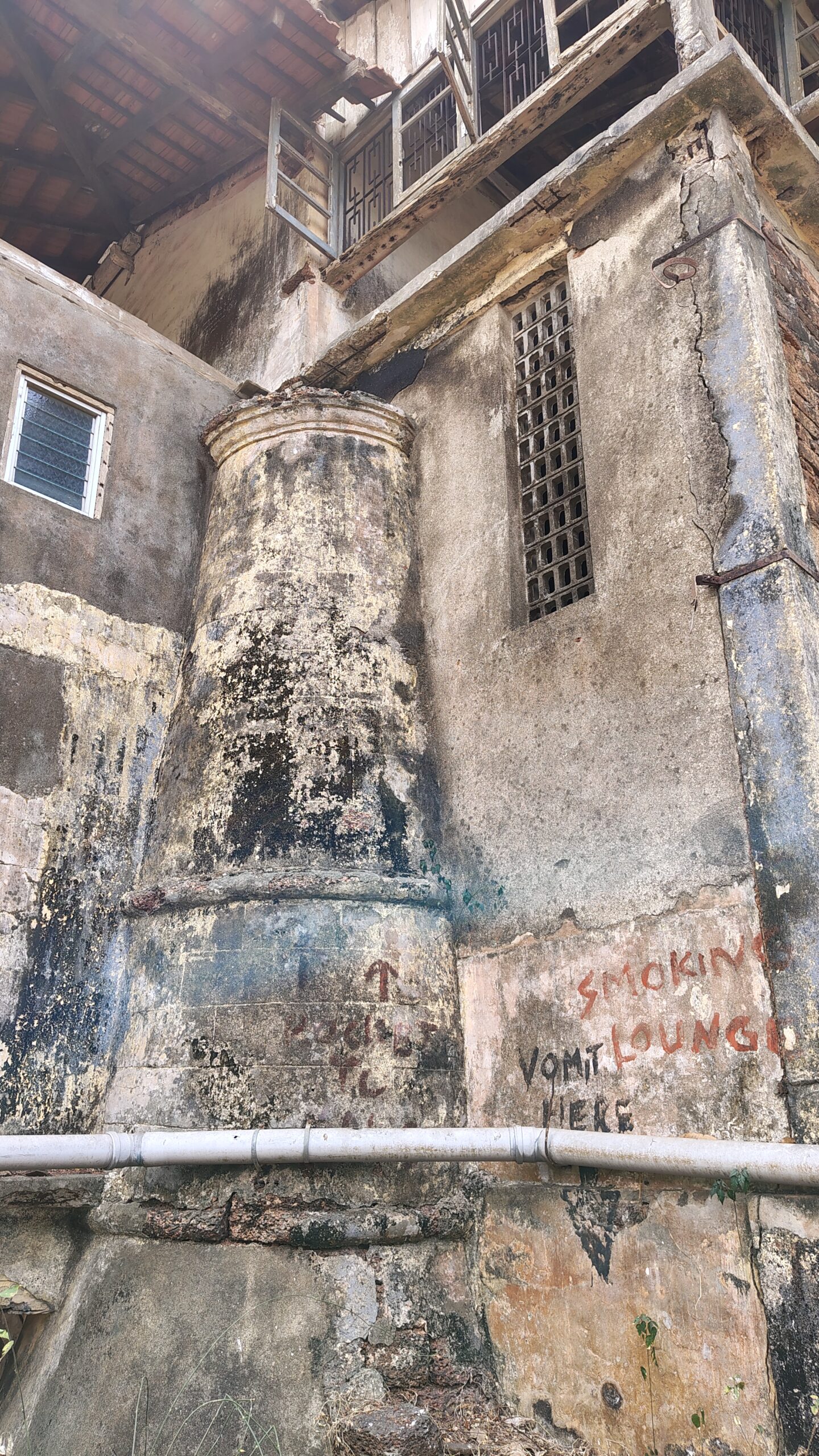
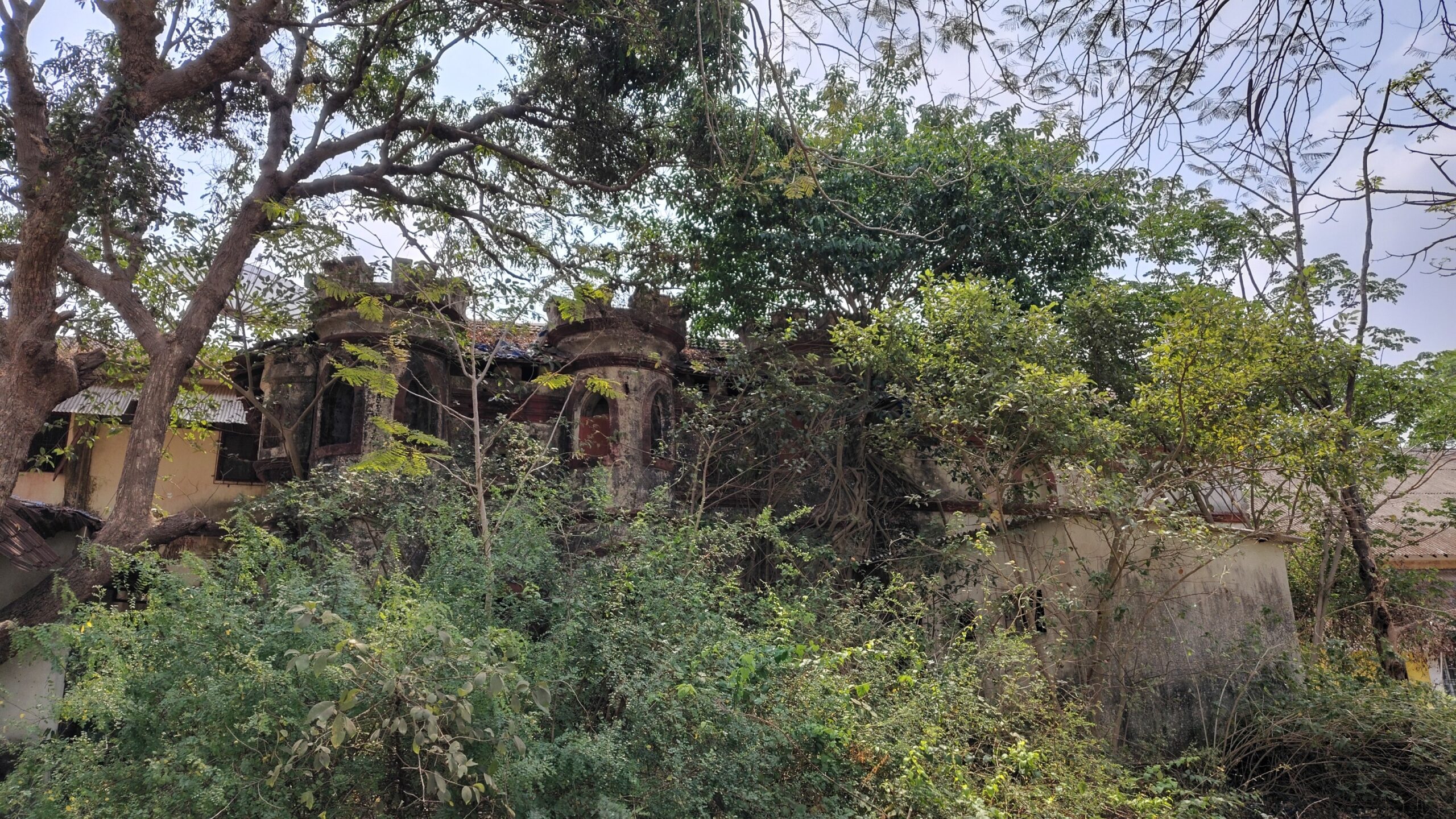
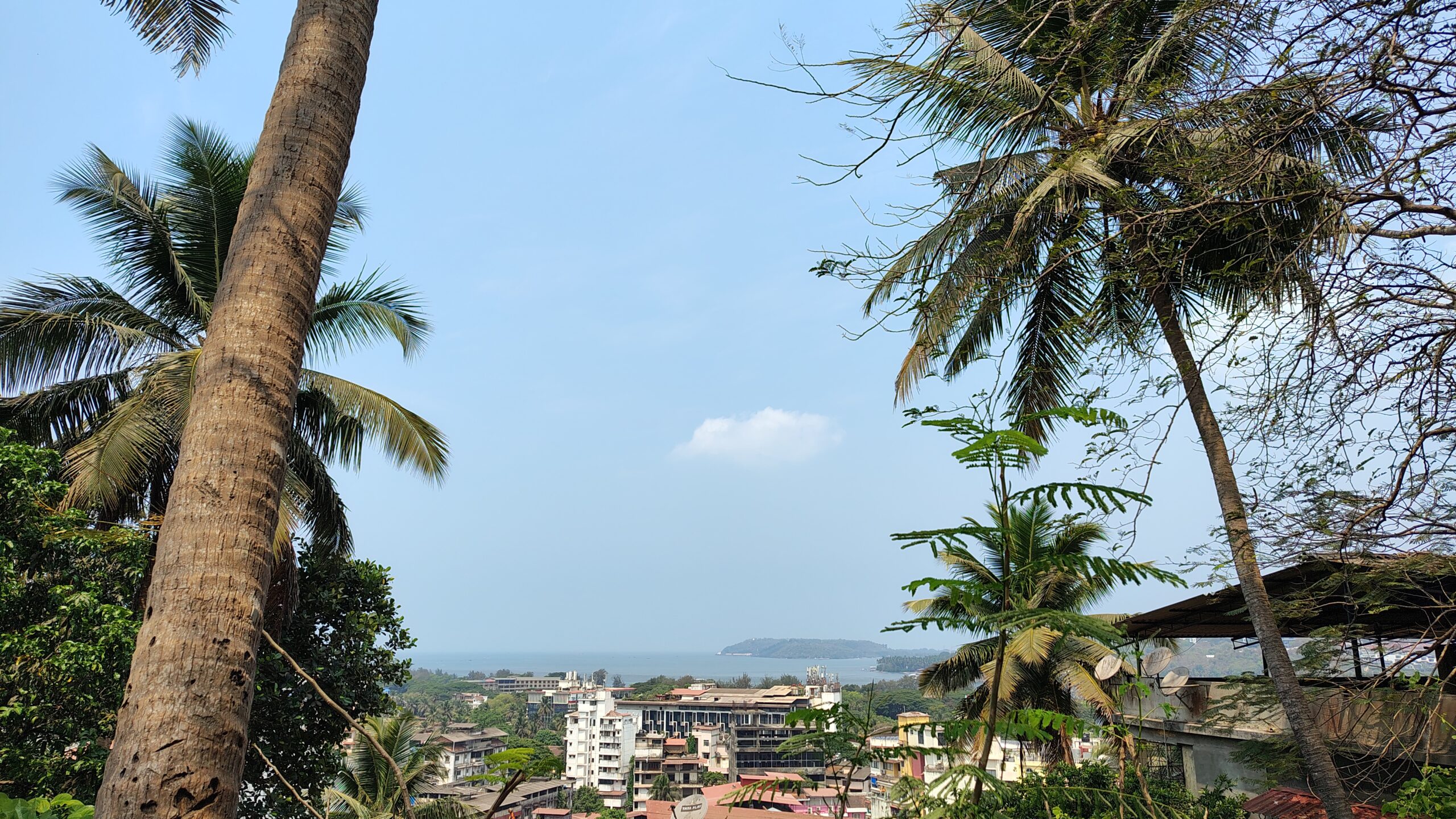
This observation is rooted in unsettling realities. Just this week, I encountered a magnificent palatial home, now largely overtaken by nature. More distressing than the decay, however, was the blatant disrespect: graffiti featuring a “vomit here” sign accompanied by a directional arrow. Because this dilapidated historic structure offers a stunning river view, it has become a destination for individuals to drink and leave behind mounds of refuse. This is a singular example of a much larger crisis: our unlisted heritage sites are falling into a state of total despair.
Conversely, documented heritage sites often face a different kind of threat: “conservation” through the use of irreversible materials like cement and industrial adhesives. While we recognise that early conservation efforts may have lacked the scientific understanding of these materials’ long-term damage, it is baffling to see this trend persist today. It raises a critical question: who is actually managing these projects? We rarely see dedicated teams of professional conservators working on these sites long-term; instead, one often finds labourers hired to perform “repairs” that lack specialised oversight.
When cement is not the culprit, we see a complete “revamping” with contemporary stones and tiles, and paint effectively erasing the site’s authenticity. This pattern is visible across India. While the sheer volume of sites makes universal conservation a challenge, should that justify haphazard work that only gains attention when under a media spotlight?
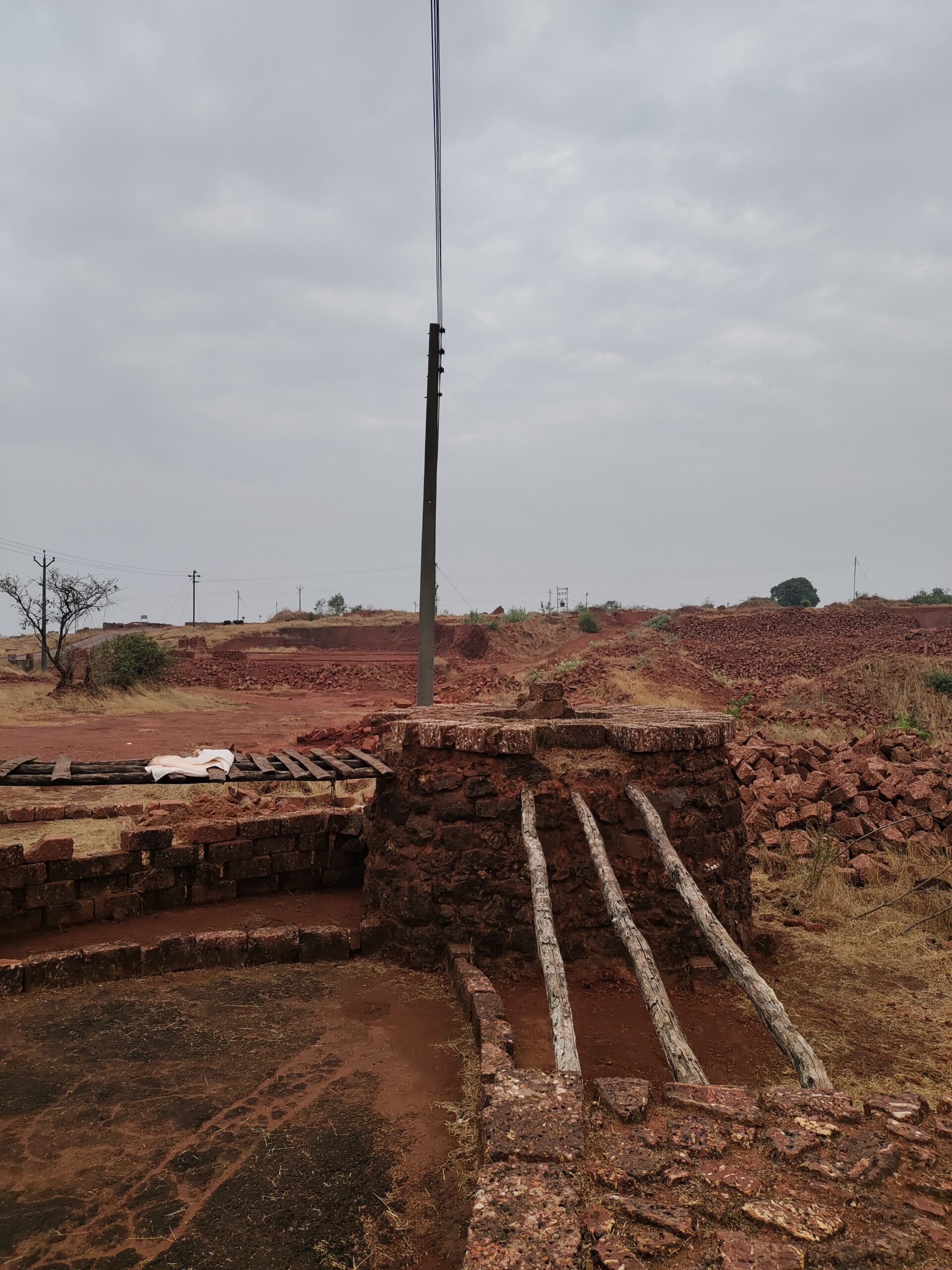
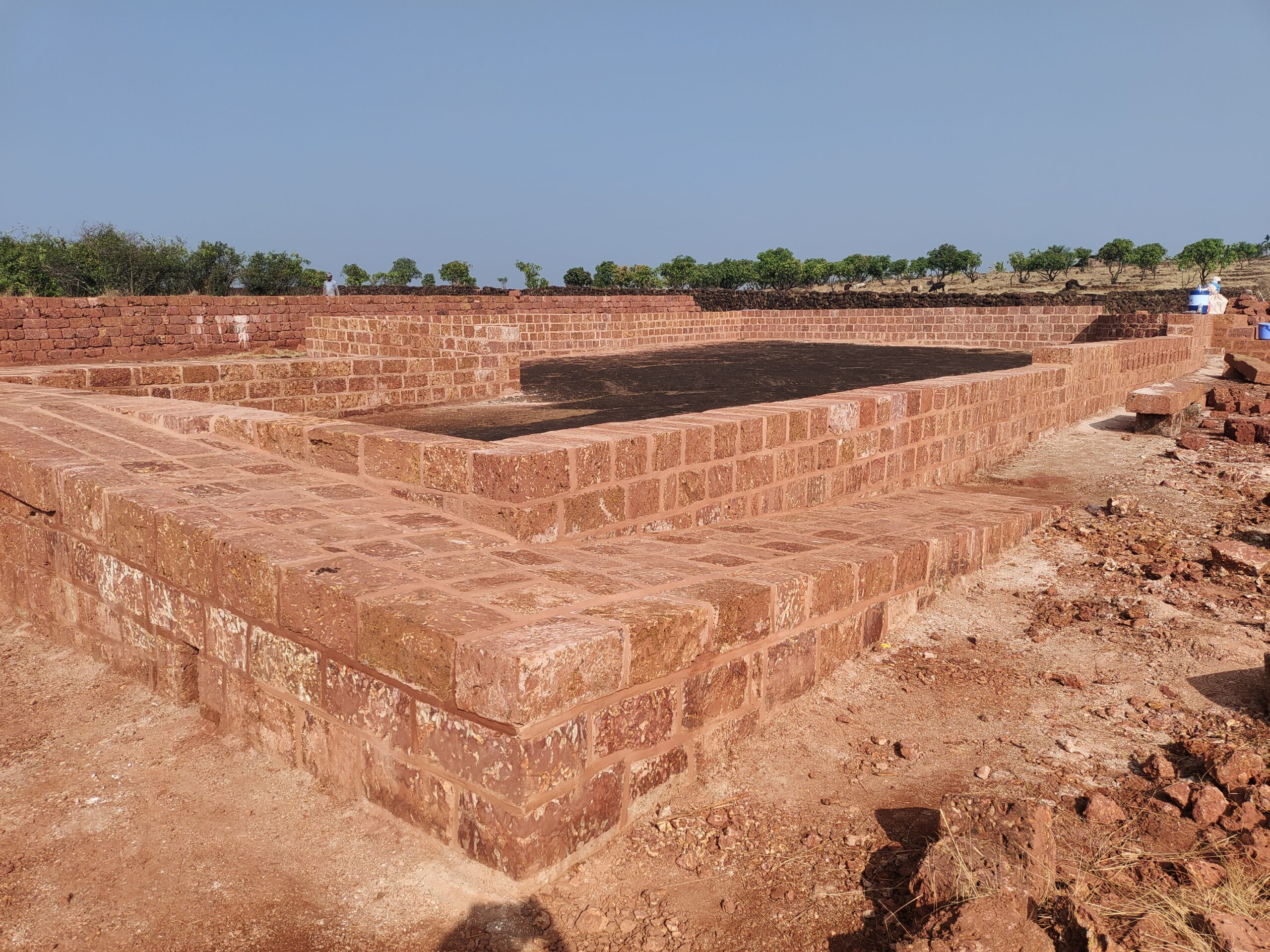
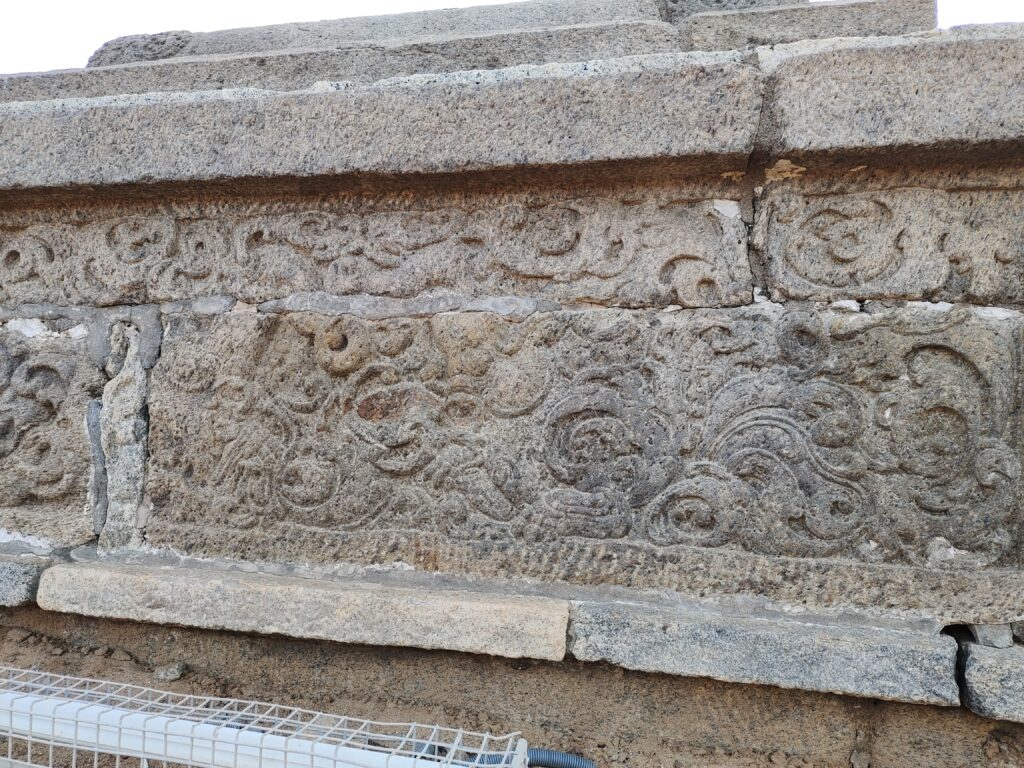
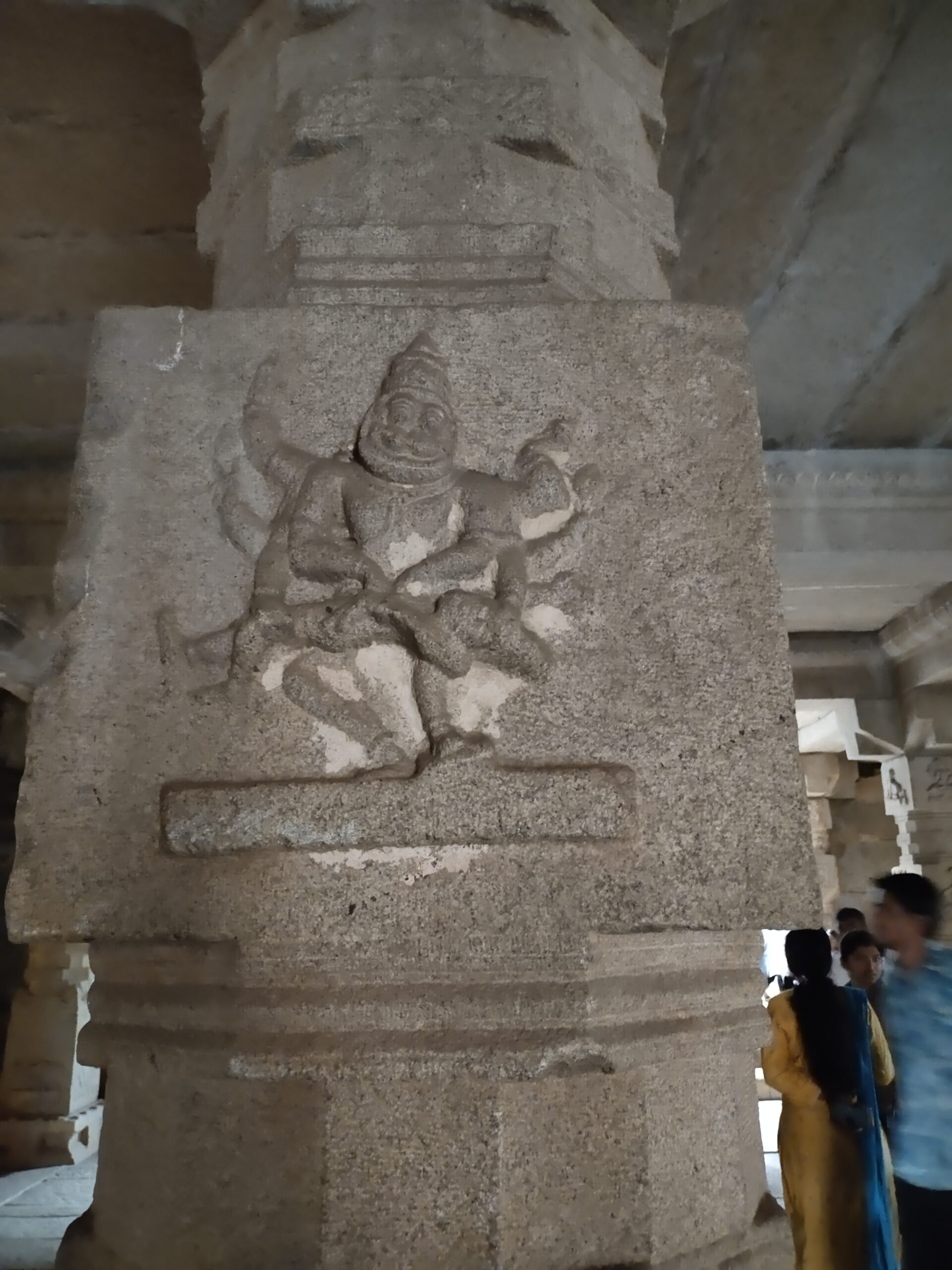
While the public can certainly refrain from vandalism and graffiti, the deeper issue lies with those in charge. If the authorities utilize methods that contradict the very principles of conservation, where does that leave our history?
This discussion extends beyond architecture to museums and institutional collections. One might assume that an institutional setting would guarantee better preservation, and in many cases, it does. However, frequent examples of “unskilled conservation” serve as a reminder of how little ethics and professional standards seem to impact the final outcome.

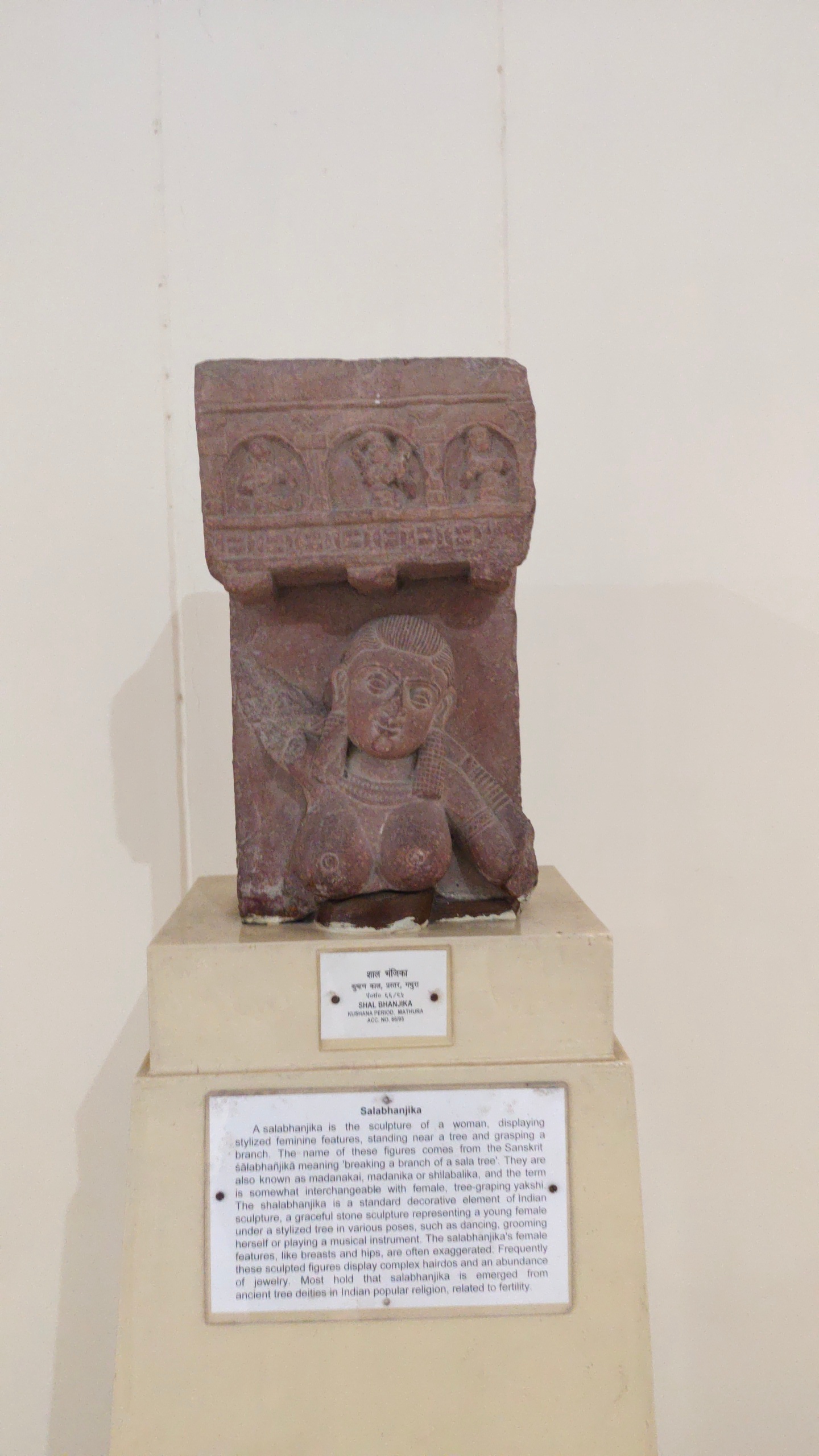
Despite thousands of individuals training for careers in conservation, we must ask: where is this skill being utilized? How can there be such immense passion for the field, yet such mediocre results?
Conservation is undeniably expensive, and budget constraints dictate the scope of work. However, we must consider whether finishing three shoddy projects by spreading expertise and resources thinly is truly better than completing one correctly. While there is often a “grey area” where resources are limited, we must expect more from our pioneering institutions and museums.
This World Heritage Day, the hope is that we begin to actively observe what is being done in the name of “preservation” around us. Once you recognize these failures, they cannot be unseen. Only then can we truly advocate for the professional maintenance of our heritage. These monuments belong to no single individual—they belong to us all.
Christina Dedhia