
Human cities
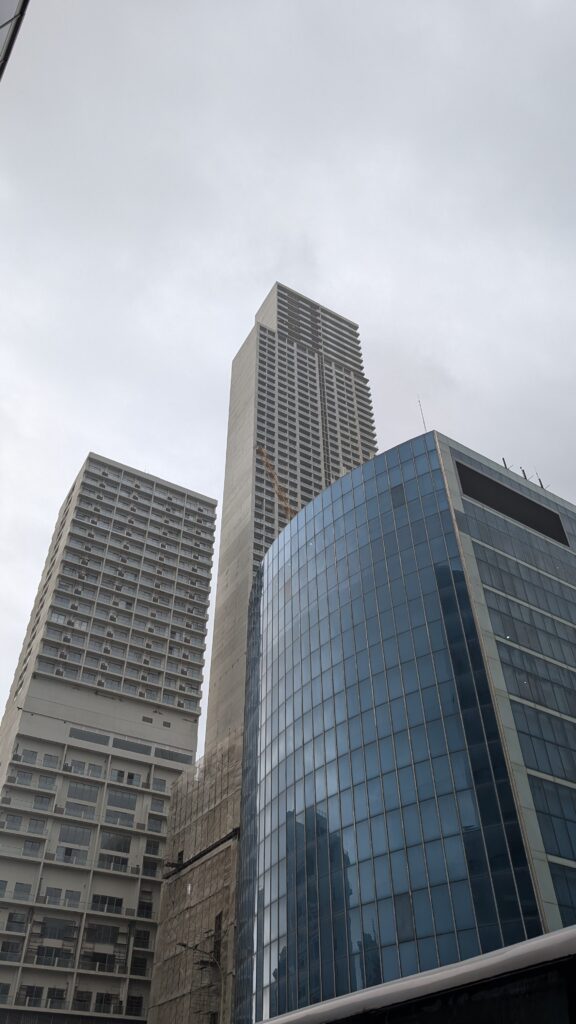
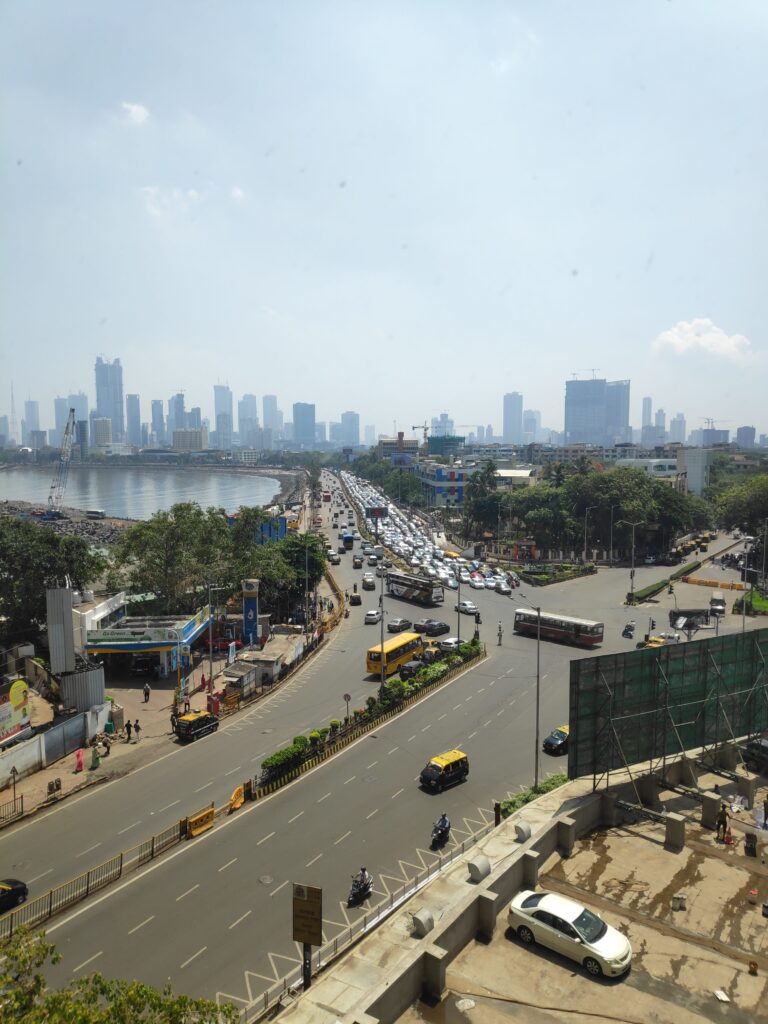
As a city grows or migrates, glass towers eventually replace apartments and villas, which had earlier replaced suburban and rural homes, estates, small townships and villages, reflecting a landscape of unyielding concrete and asphalt where ancient trees, ecosystems, and natural water bodies once stood.
Our current urban aesthetic, defined by these insulated, brutalist boxes, acts as a defensive fortress against the natural world, treating the surrounding ecosystem as an adversary to be conquered. Laying down stereotypical building “foundations” by hacking down trees, sealing off the earth, and disrupting natural topographies, these structures deliberately choke wind corridors and trap the sun’s relentless glare.
This architectural arrogance turns entire neighbourhoods into fierce thermal traps, accelerating emissions and forcing power grids to strain as air conditioners hum desperately against the suffocating heat wave, giving relief to those who can afford it. True luxury has been reduced to a numbers game, measured by the maximum square footage crammed onto a bleeding plot of land. In this market of conceptual monocultures, buildings no longer host life or generate healthy microclimates; they are static, metabolic failures that actively smother the very land they occupy.
Water in Cities
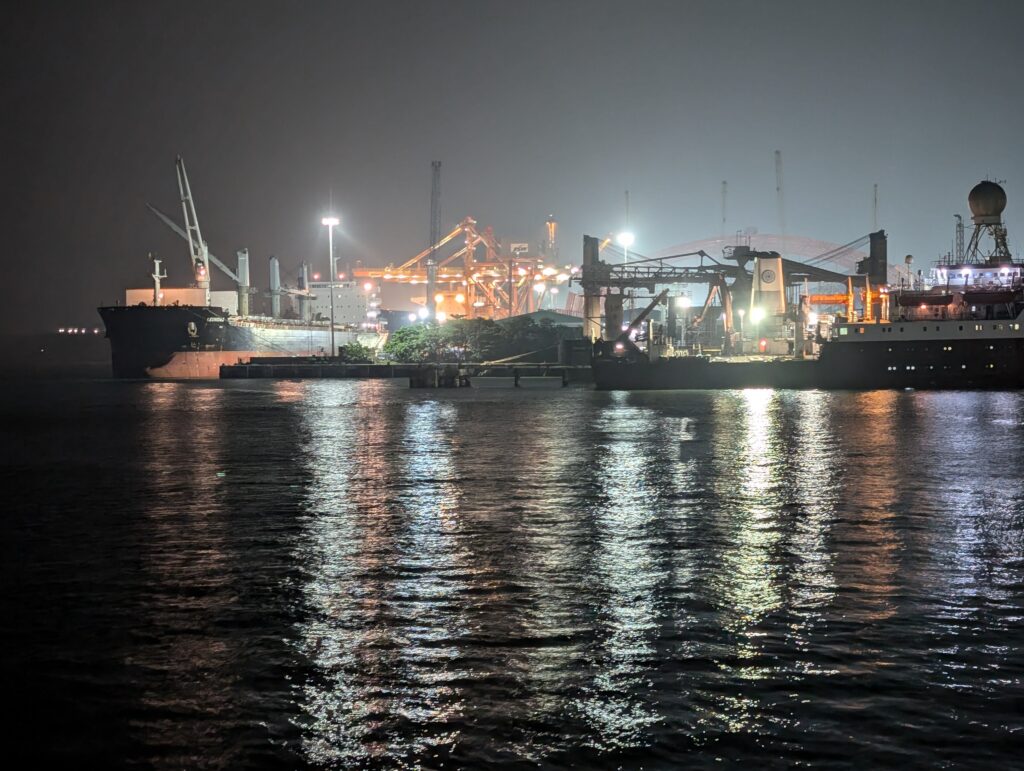
Water plays a central and critical role in all aspects of life – in the national environment, in our economies, in food security, in production, in politics. Water has indeed a special significance for the great religions and in civilizational history.
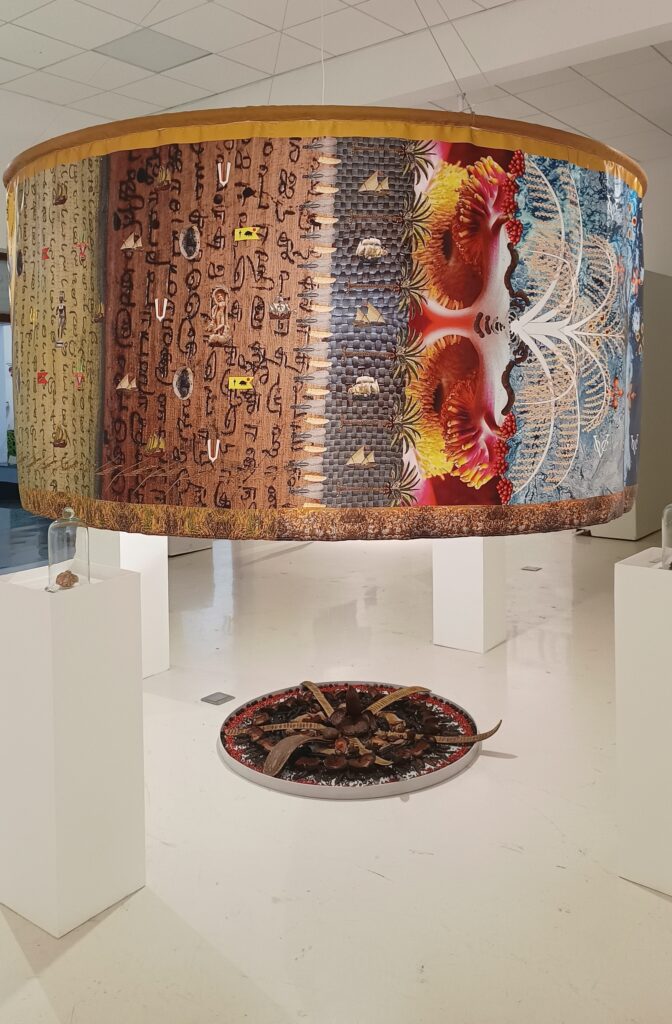
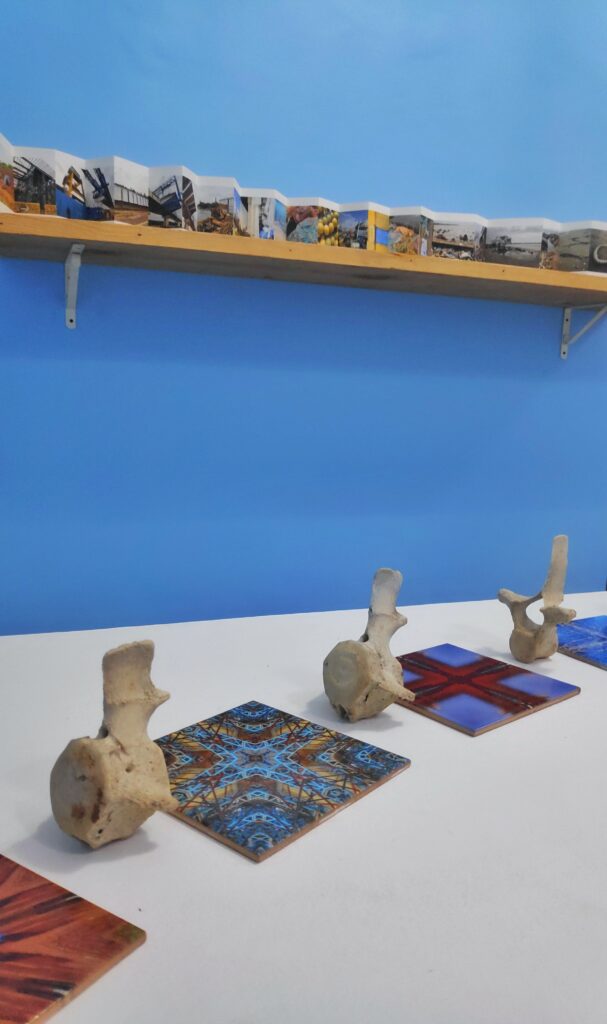
To bridge this sacred reverence with the harsh reality of our concrete landscapes, we need to must fundamentally shift our design paradigm: we learn to treat water not as an external hazard to be hidden in subterranean concrete pipes, but as the primary circulatory circuitry of human collective spaces. This is a concept I have discussed in several artistic research projects.
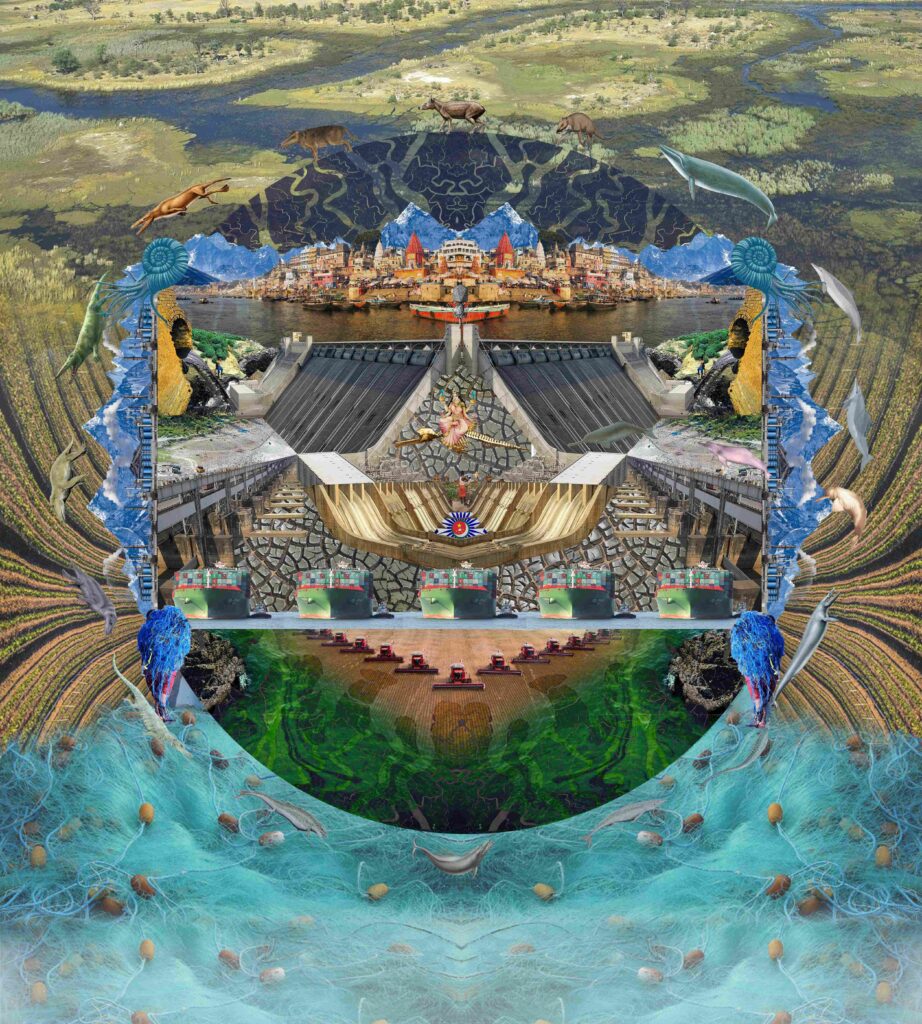
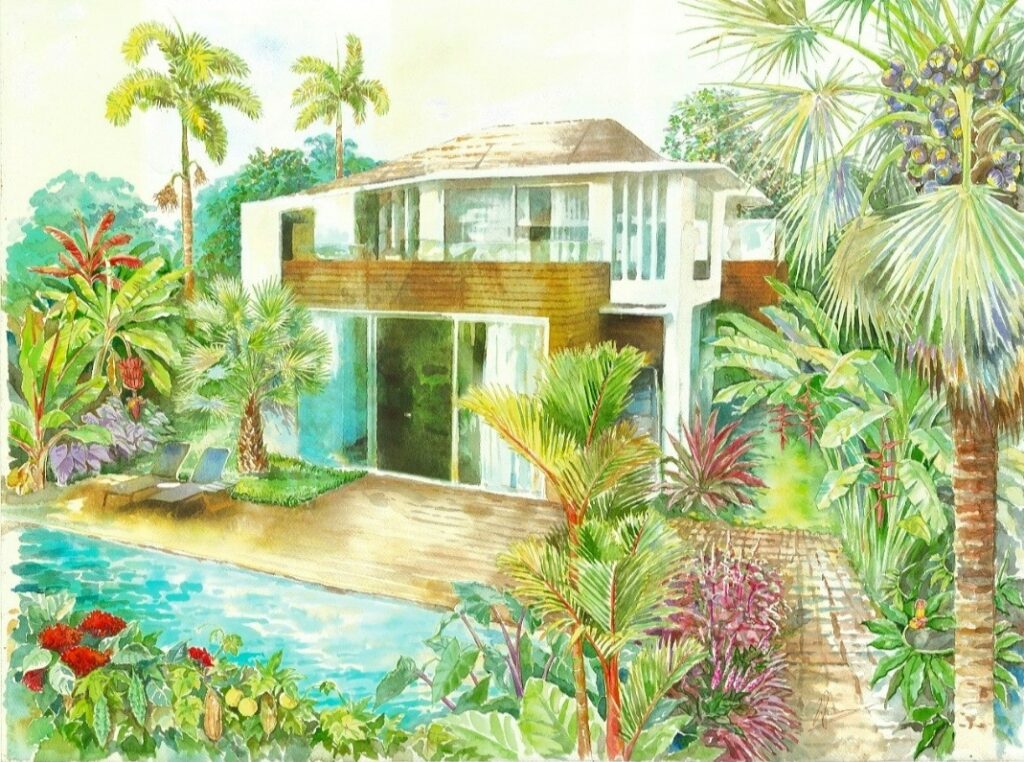
It is not that we do not have innovative and workable possibilities: Just as blood vessels sustain a living organism, a city’s design should natural hydrology, utilizing permeable public squares, living sponge infrastructure, and daylighted urban streams to rhythmically move, filter, and store water. By embedding this fluid network into our architectural aesthetics, where roofs catch rain, streets guide it to subterranean aquifers, and public and private spaces double as seasonal retention basins, we do more than mitigate heat and prevent devastating floods. We dissolve the rigid boundaries between the built environment and the natural world, engineering resilient, breathing communities where water is honoured as the vital current that connects, cools, and sustains us all.
Ultimately, rewriting the future of our cities requires us to step through various lenses and embrace our place within the collective web of life. We are not separate from the ecosystems we inhabit; our survival remains intrinsically bound to the same fluid currents and structural symbiosis that sustain the forest floor and the coral reef. We have to dissolve the illusion of our isolation, stepping forward into a hybrid, pluralistic future where humanity no longer conquers the landscape, but flows beautifully as a vital part of it.
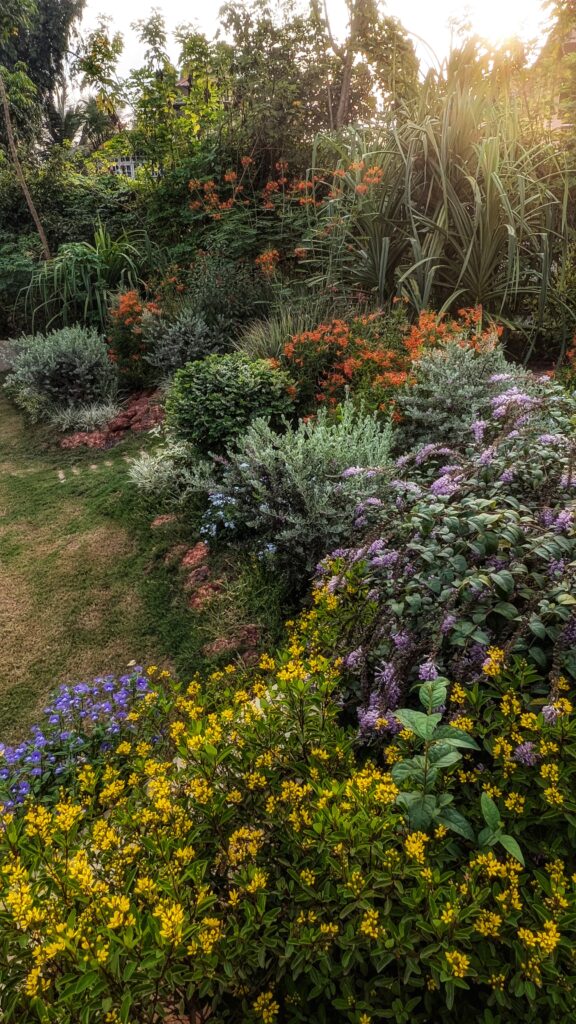
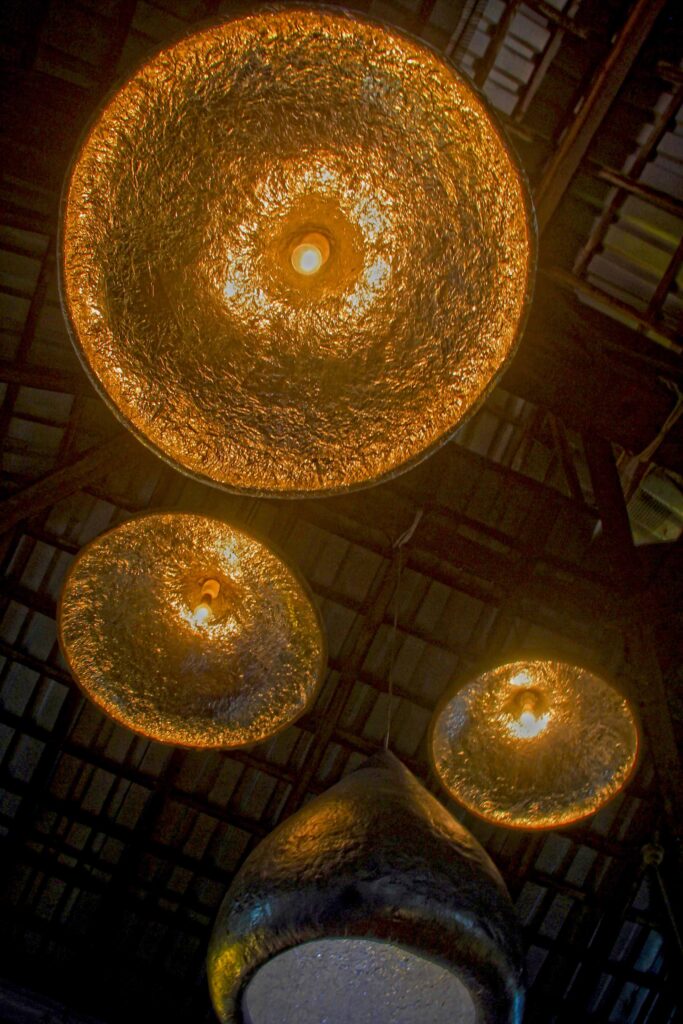
My work revolves around designing ecosystems and upcycling urban detritus, while using art as a medium to create community engagement and different ways of thinking.
I am in the process of researching ecosystems and reimagining urban-scapes, degraded events and materials through a series of explorations and superimposing layers of nature to heal and reconnect.
Waylon D’Souza