
Understanding ecosystems has been the basis of human civilizations that have thrived due to the custodianship of resources like water, building materials, and various forms of sustenance. Observing and managing our resources in a sustainable way is critical in a time of climate change, rampant consumerism, and late-stage capitalism. In this age of global homogenization, how can we collectively cross pollinate and permeate through the silos of cultural, biological, and ideological diversity to achieve sustainable development? How do we imagine hybrid, pluralistic futures of abundance rather than scarcity? What can we learn from communal species older than us, and how might we co- create with them?
Why are we more similar to plants or coral than many other mammals?
These are some of the questions that have led my research and practice over the last decade and more.
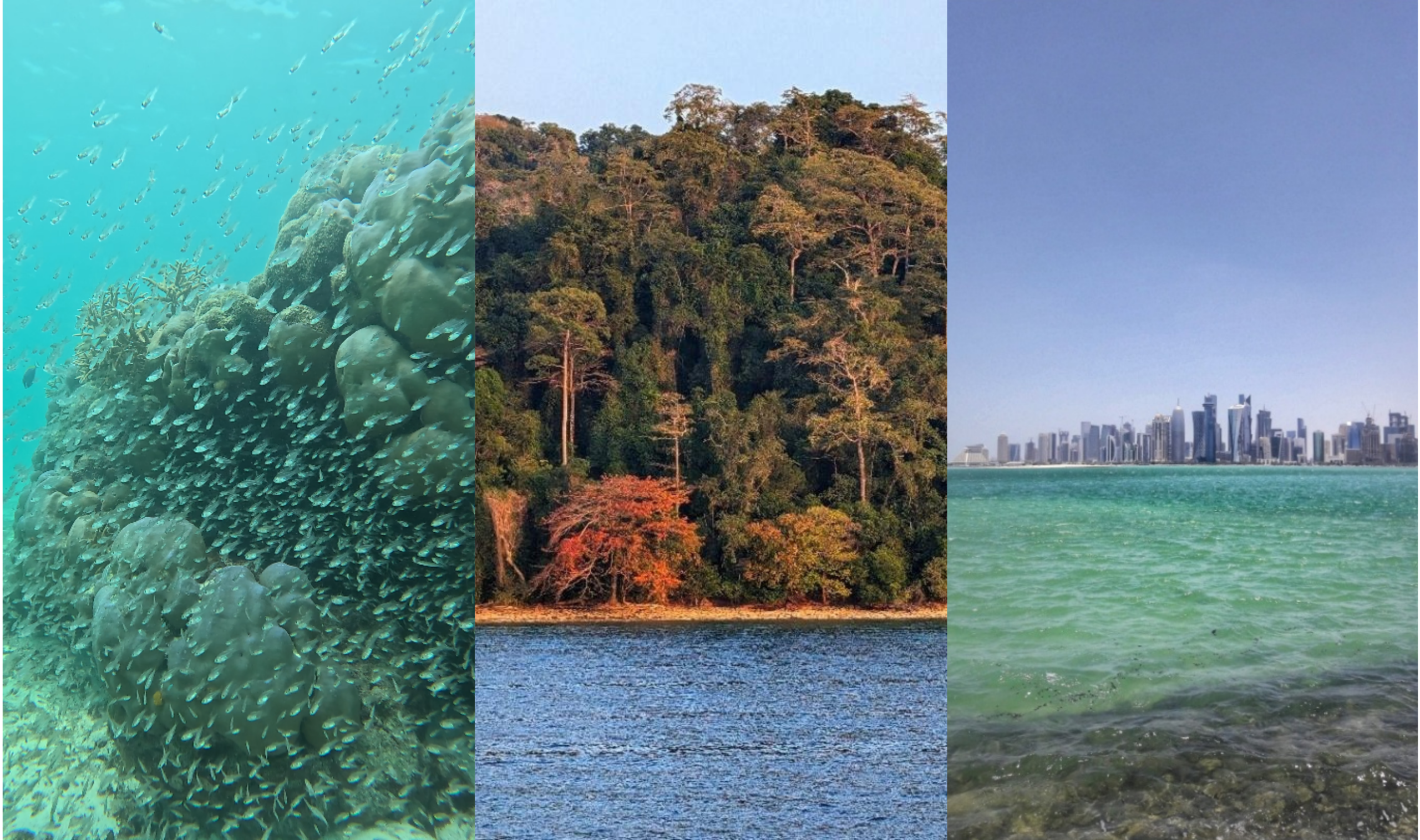
Underwater Cities
Coral reefs have endured through millennia and have formed the architecture of a bustling metropolis underwater. These cities become the foundation for a vibrant, diverse community, sheltering a quarter of all marine life.
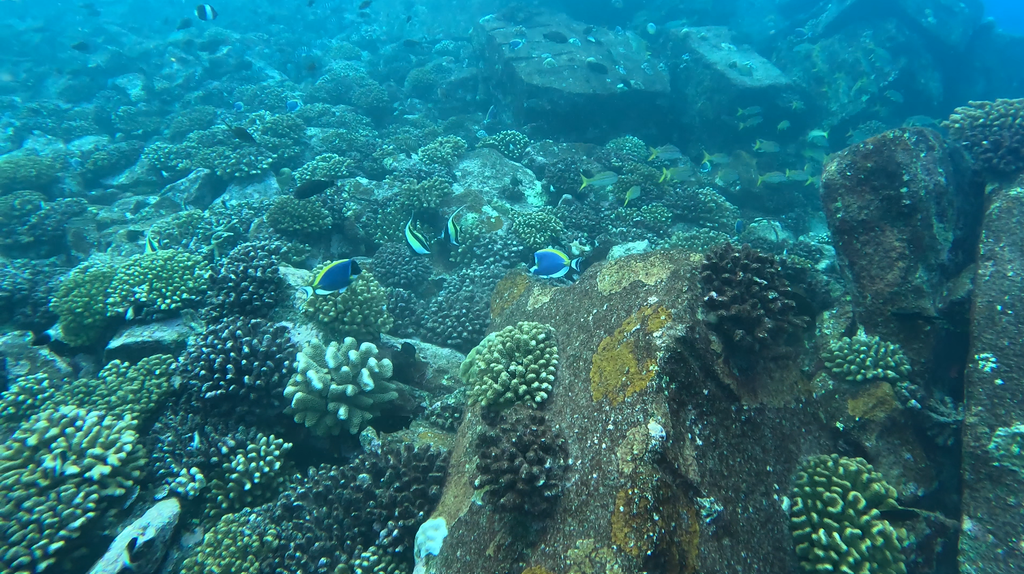
Coincidentally, human cities are built the exact same way. We extract limestone (calcium) and fossil fuels (carbon) to create architecture. But this is where the mirror cracks. While the coral metropolis is inherently regenerative, acting as a massive “blue carbon” sink that filters water and breathes life into the ocean, the human metropolis is inherently extractive. We build our reefs at the expense of the ecosystem and our health, rather than in service to it.
To imagine the healing of this fracture, I embarked on a project inviting scientists, researchers, architects, artists, teachers, engineers, divers, and designers to recreate a coral reef. The goal was to act together as different species forming a seamless ecosystem, through integration instead of separation. This manifested as Metropolyp at the Serendipity Arts Festival 2023—a multidisciplinary, interactive, and process-driven art installation centering on conversations between corals and the Capitalocene.
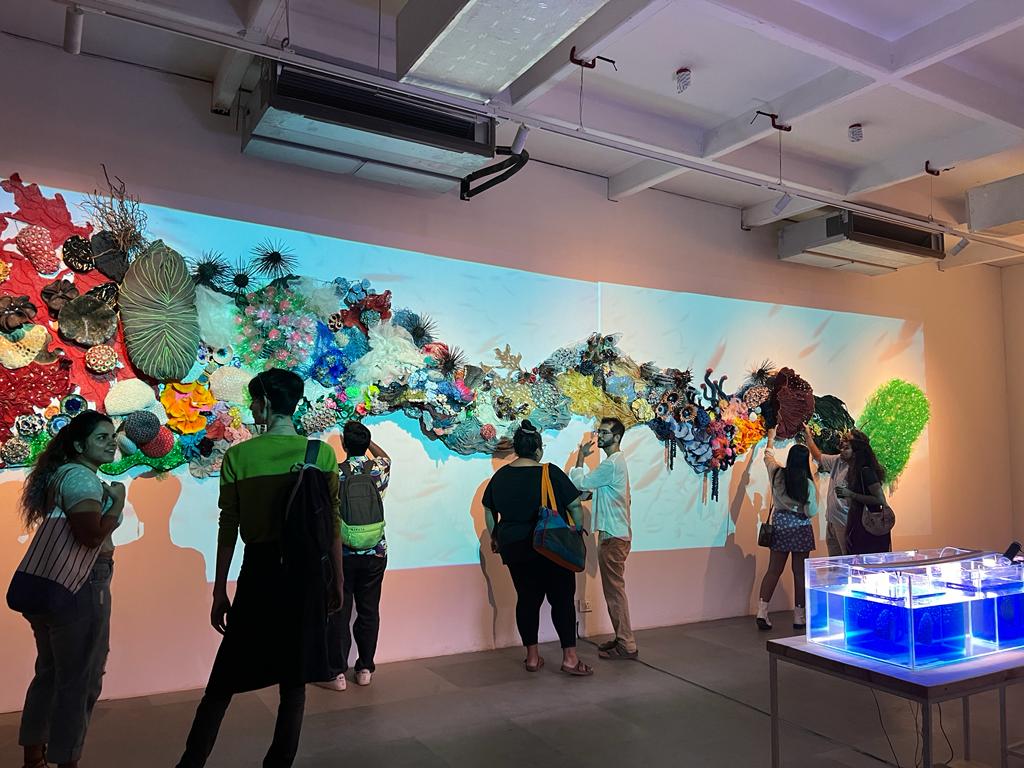
Through this participatory, palpable, and celebratory curated assemblage, a vast spectrum of practitioners brought their intellectual, ideological, cultural, and aesthetic resources to be assimilated into a whole far greater than the sum of its parts. By generating community engagement around blue carbon, corals, and climate, Metropolyp modeled the very pluralistic future we desperately need, a space where resource sharing and recycling form the bedrock of human collective space. Located within, and responding to the ecosystems embedded in the Goan landscape, the project transmitted meaning and invited dialogue much beyond the duration of the installation.
Plant Cities
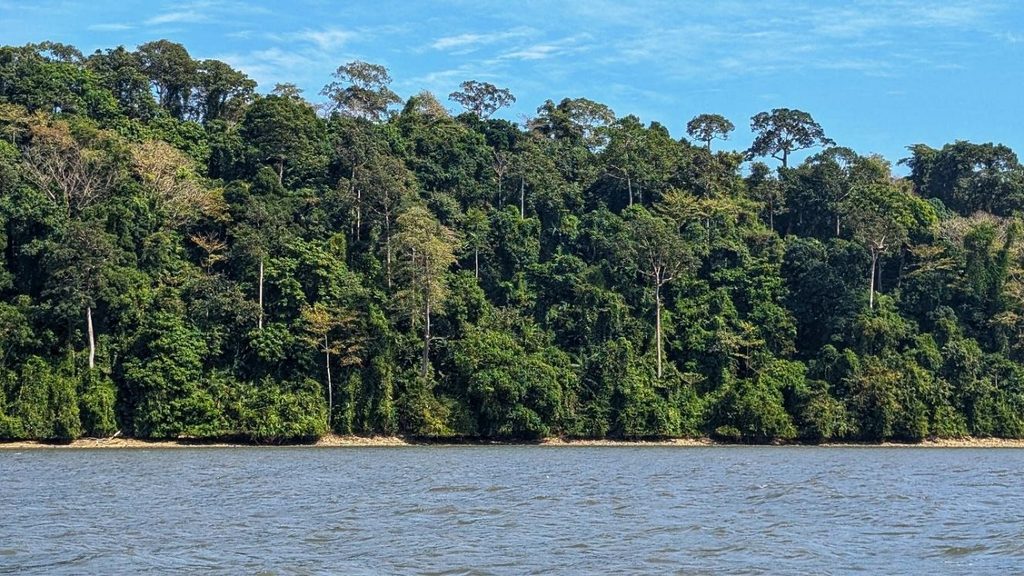
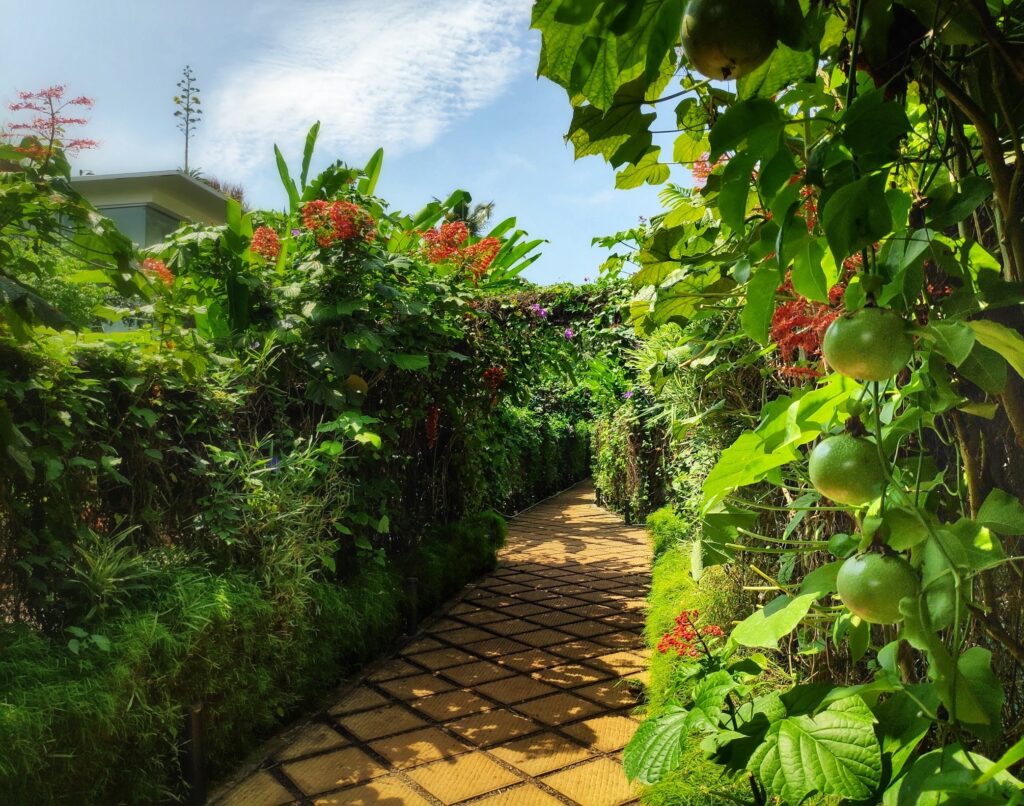
Just as a single coral polyp lays the calcified foundation for a bustling subaquatic metropolis, a single native seed holds the blueprint for an entire terrestrial wilderness. Plants do not merely occupy space; they actively author ecosystems. By weaving complex root networks, casting expansive canopies, and purifying the local hydrology, native flora transforms barren earth into a living, breathing forest. These wooded sanctuaries mirror the rich biodiversity of the ocean’s reefs, providing intricate structural scaffolding where thousands of species cross-pollinate, cohabitate, and thrive, a testament to nature’s shared geometry of abundance across both land and sea.
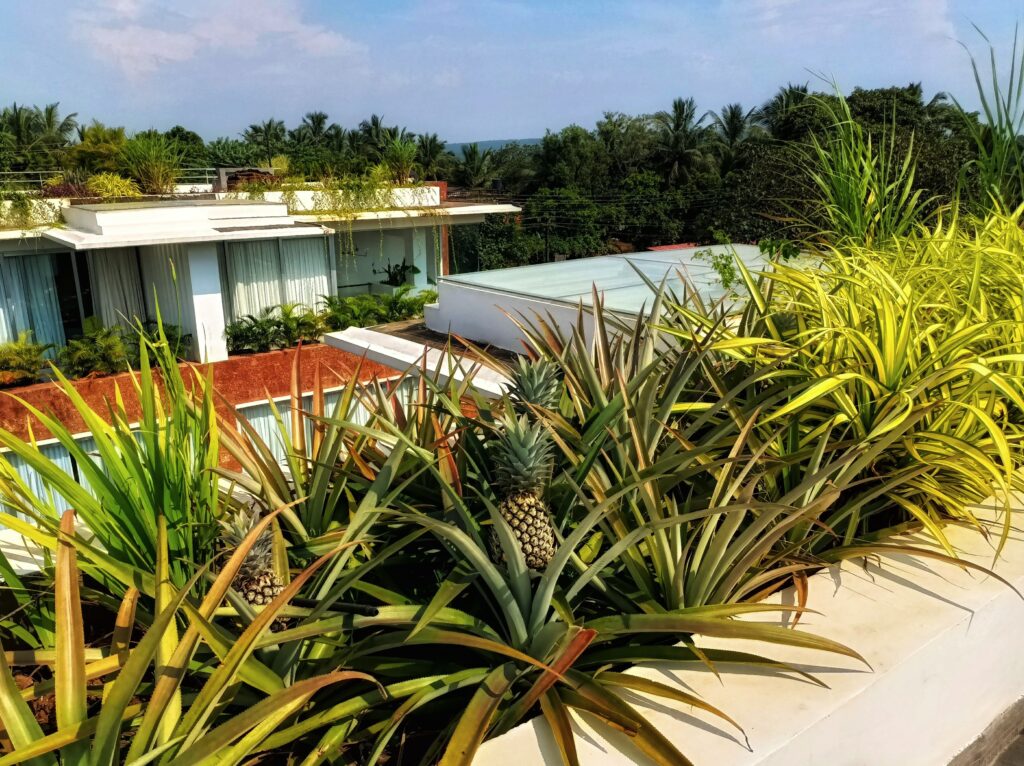
Losing native species to construction and infrastructural development damages more than our regional identity; it severely impacts our physical health, the air we breathe, and our access to clean water. Unfortunately, today’s mass-produced landscapes are often just pesticide-ridden, monocultural greenery. True luxury is not an artificial lawn; it is a regenerative landscape. While I am not a purist and value a thoughtful amalgamation of global styles, my design practice prioritizes researching and procuring native plants to build thriving havens for local wildlife.
This ecological approach directly counters the current real estate trend of packing massive villas and apartments onto tiny plots. Deprived of breathing room, these developments quickly degrade into high-end slums. Wealthy urban refugees are already fleeing failing cities for a more wholesome lifestyle elsewhere, yet they cannot afford to bring the same extractive, chemical-dependent principles to the sanctuaries they escape to.
Rather than imposing heavy brutalist structures on the land, we must learn to observe, cohabit, and blend into our surroundings. Chemical-heavy, “minimalistic” landscaping is merely a hangover of the industrial age, a poor excuse for a lack of ecological knowledge and passion. A maximalist celebration of biodiversity is the future.
Waylon D’Souza
Waylon is a transdisciplinary artist and designer based in Goa.