
When I am invited to teach modules about art history and cultural heritage, I always remember the words of the late artist, professor and cultural advocate K G Subramanyan “…As we all know, India in a vast continent with a long history. It’s cultural heritage or what little remains of it, is still quite immense. So, the preservation and nurture needs to be a nationwide effort involving all the existing agencies, official and non-official, as well as the general mass of people. For they are the final custodians of culture; without them it will be one step forward and two steps back. Without their vigilance, all our pilot projects and piece-meal restorations will revert to ruin. Like those images of Durga which, after ten days of glitter, gaiety and adoration, are dumped into the water. Those images however, can be recreated, season to season, and we have the artisans to do so. But there are certain aspects of our heritage that we can hardly create anew.” (Published in The Magic of Making, essays on Art and Culture, Seagull Books Kolkata).
We have so much incredibly rich material that comes from our classical, popular and folk traditions, and yet barely enough cultural institutions to study them and house them. In the past year I have been to quite an interesting cross section of locations and museums – from the Bihar museum and the heritage site of Nalanda, to Mahabalipuram and the State Museum in Chennai; the Pondicherry Museum and the Herbarium at the French Institute of Pondicherry, the Petrified wood forest in Thiruvakkarai, the partially destroyed Tambdi Surla temple in Goa and the new MAP museum in Bangalore, among others. While almost all ASI sites are recognizable with the broad (Colonial hangover) unsuited stretches of lawn in all directions, museums are seen in various states of (dis)repair.

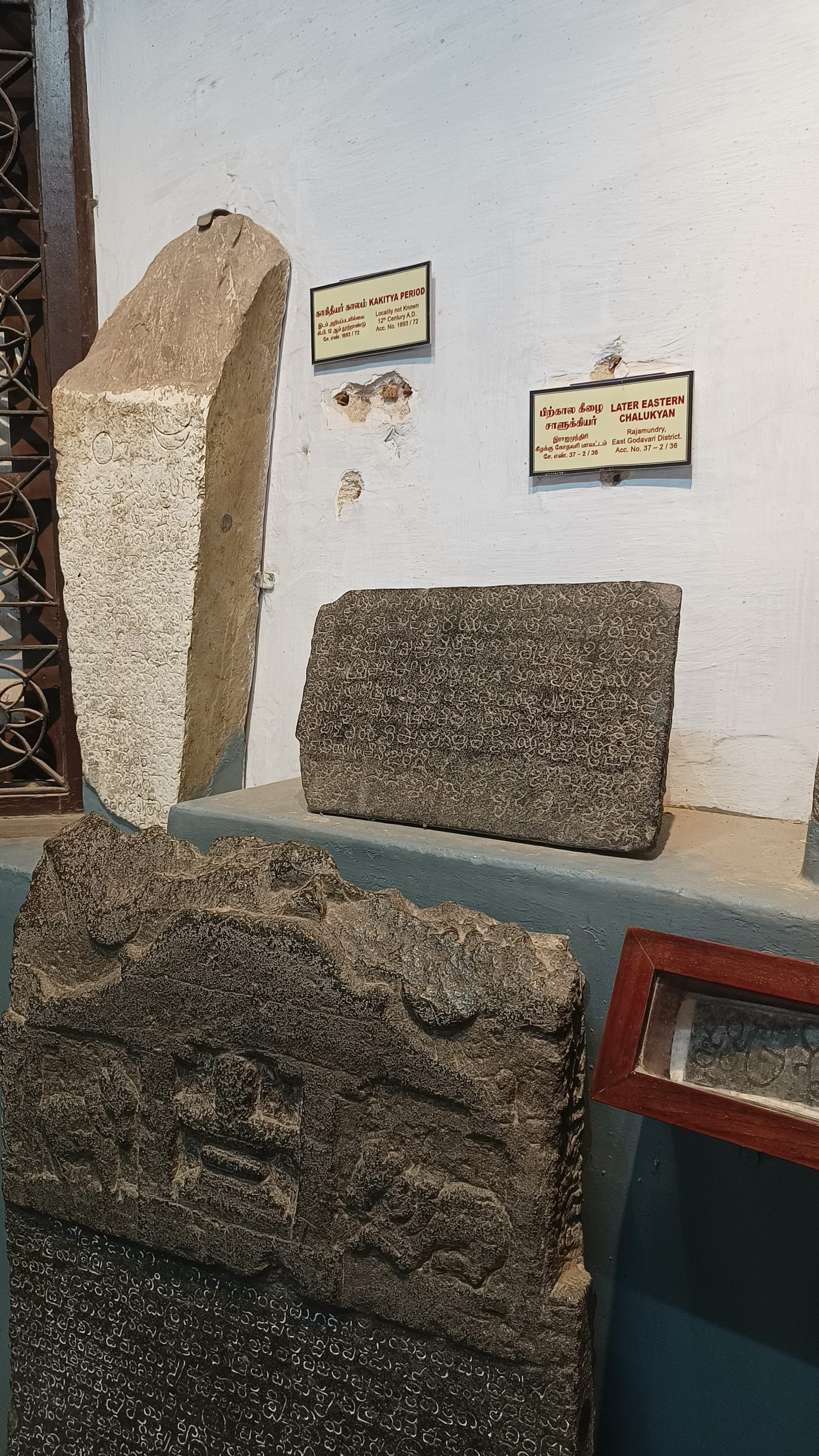
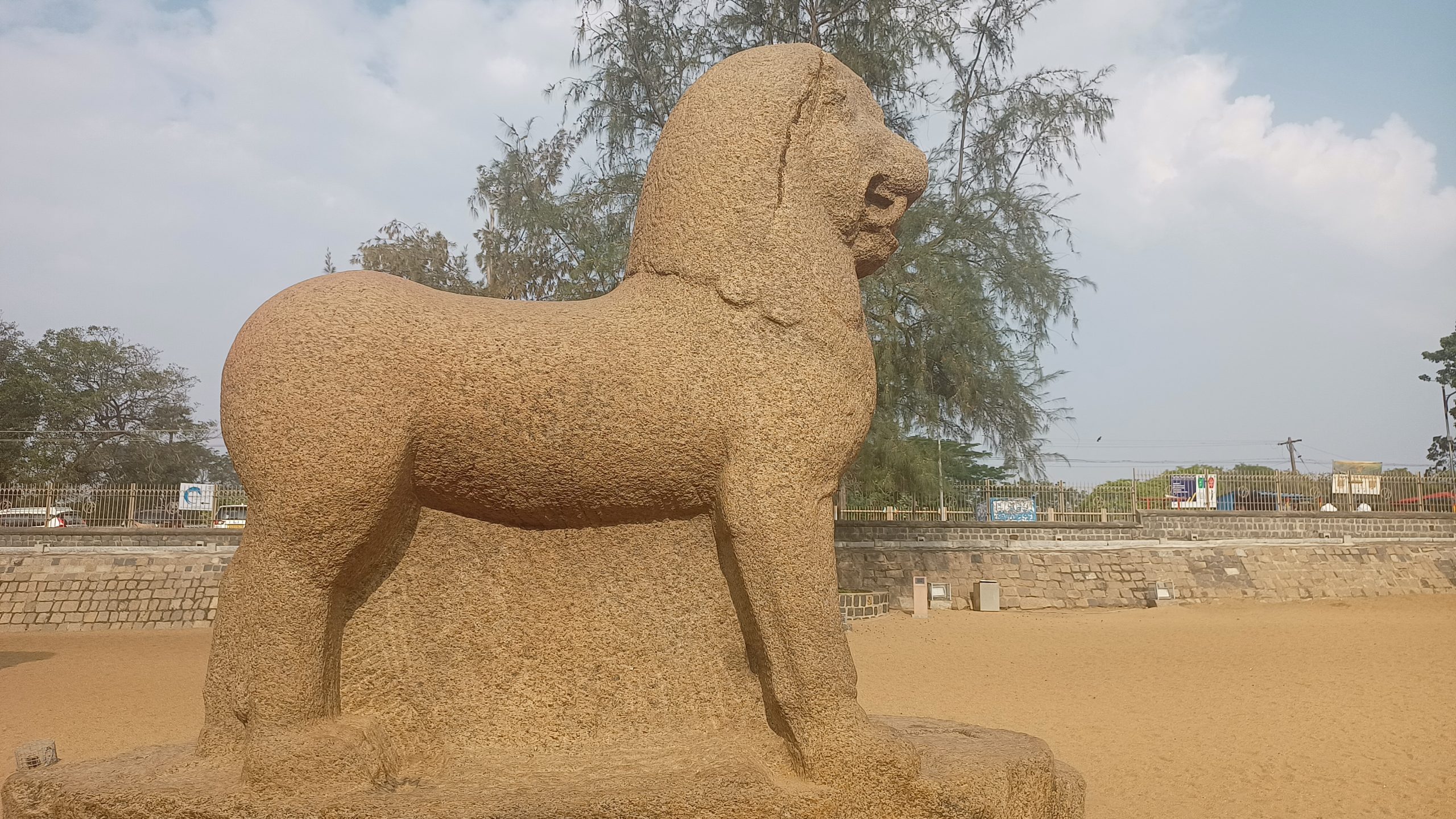
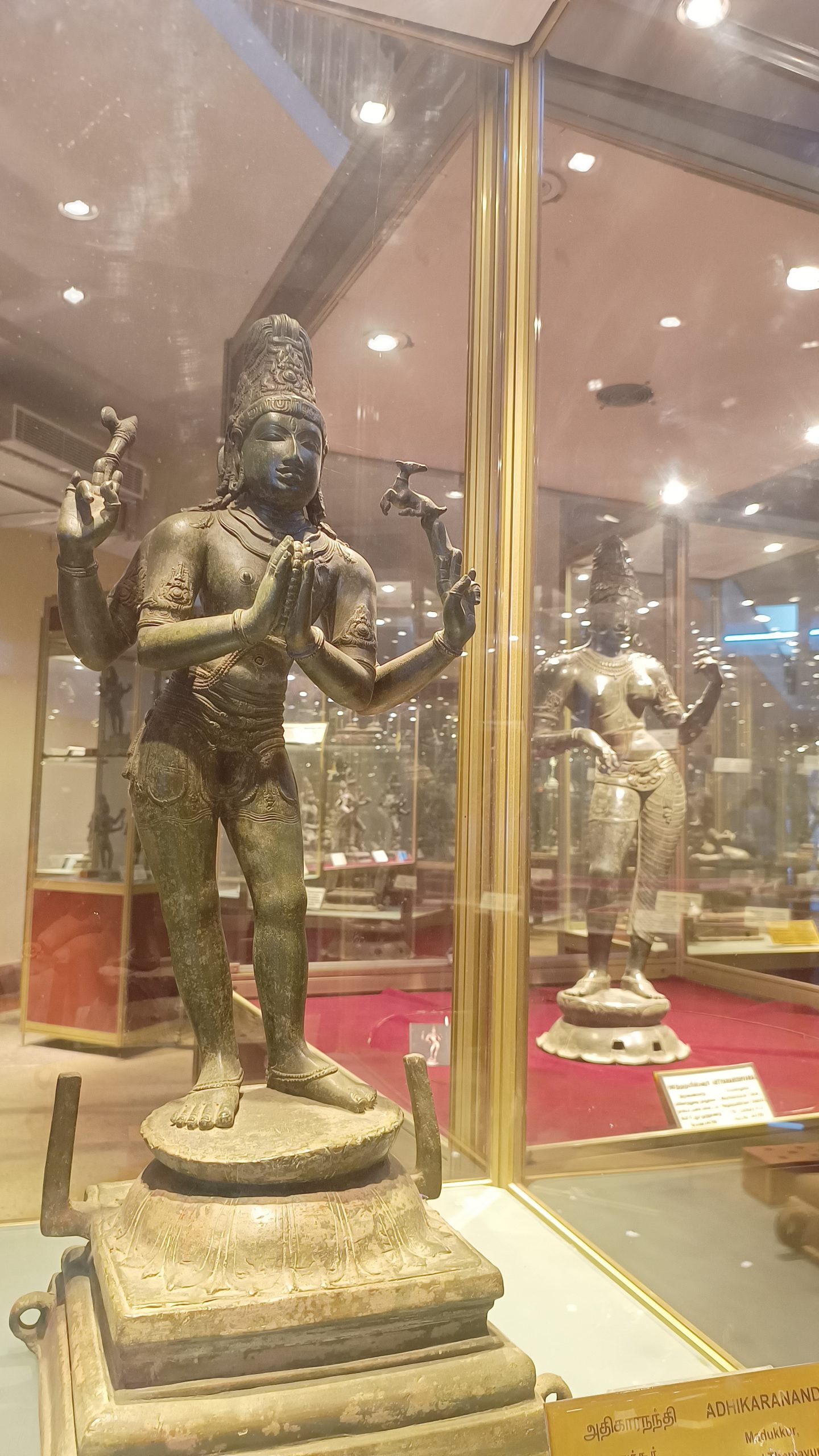
While some museums like the new Bihar Museum and the privately founded MAP allow for state-of-the-art display and interaction, others like the State Museum in Chennai are extremely backward, with only the Chola Bronze section given the best infrastructure, and other sections ranging from average to extremely poor maintenance, with cracked and leaking walls, failed lighting, patchwork conservation and even dirt.
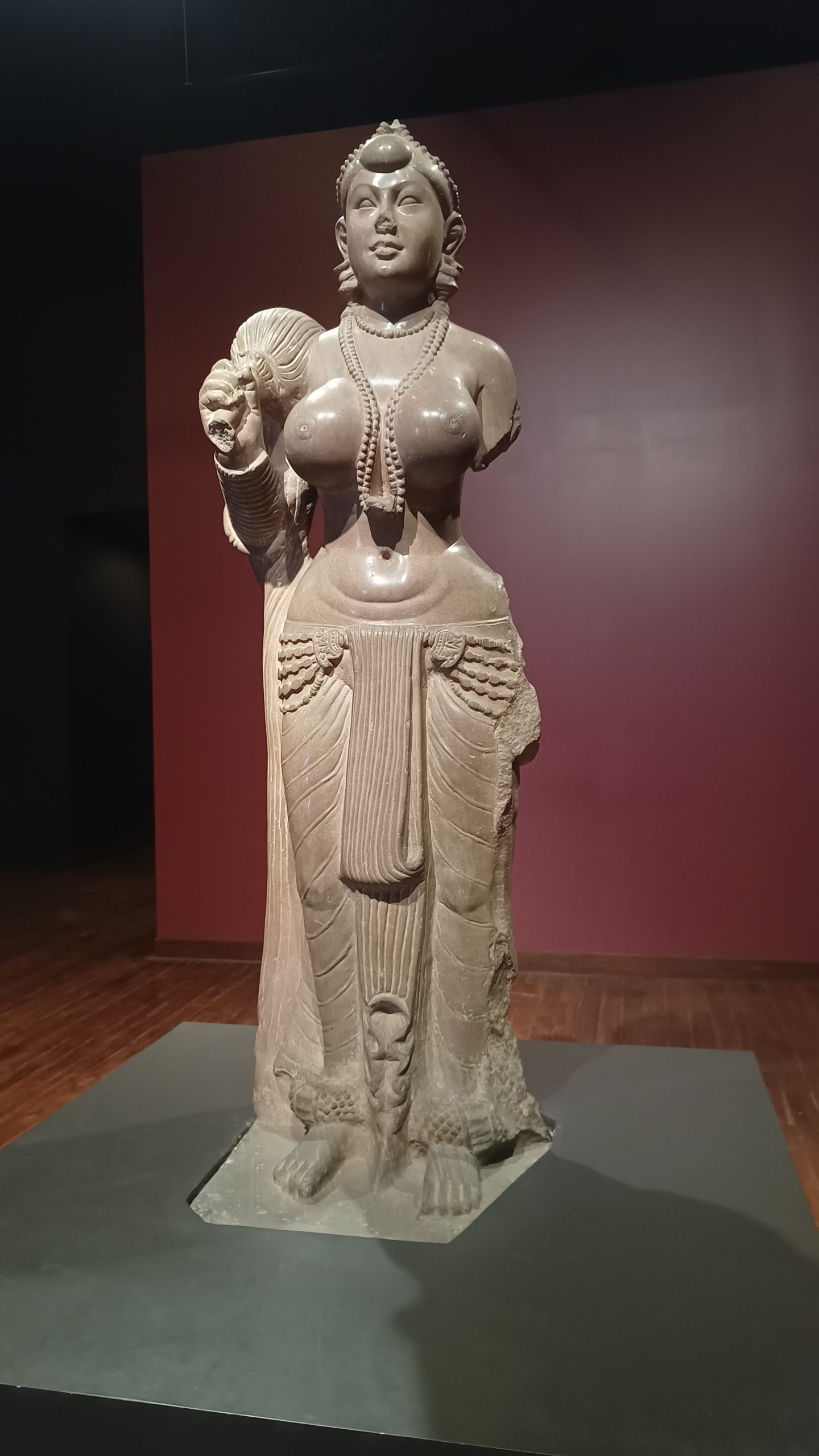
It seems crucial that we address these matters at the policy level, that museums and spaces of cultural heritage need more funding, in order to create sustained conservation, education and accessibility modules that allow this heritage to remain relevant and alive. It is also important that every citizen and individual looks at this as a shared responsibility, rather than always laying the blame at some higher authorities’ door – this concerns every kind of heritage, the tangible and the intangible, and above all, our environment.