
A survey of a viewer’s place in Mumbai’s visual arts sector.
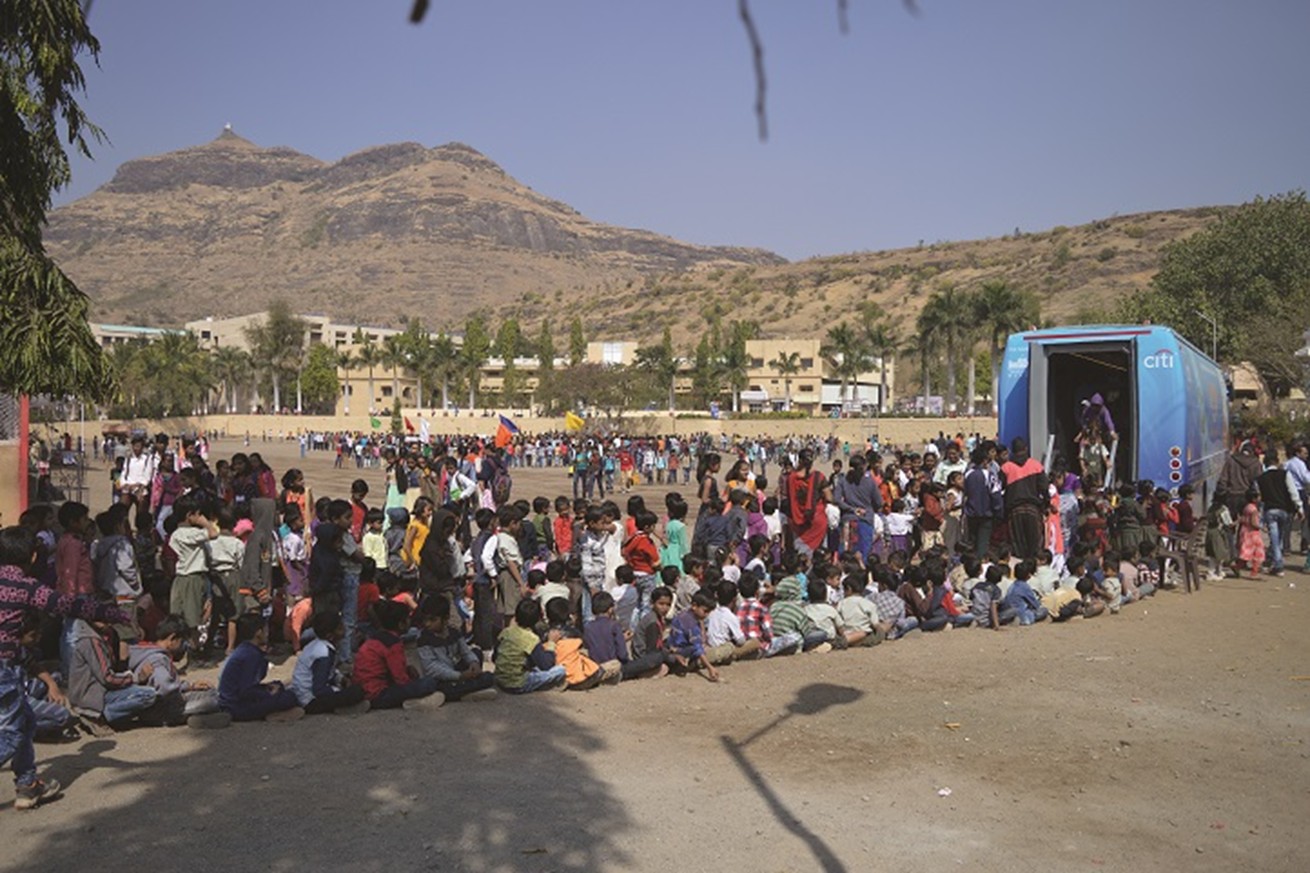
As a student I vividly remember Dr. Sudhir Parwardhan’s meticulous effort of the travelling exhibition ‘Expanding Horizons’ (2008-09) that harboured at Pune, Nagpur, Aurangabad, and Mumbai, making contemporary art accessible to diverse audiences in the hinterlands of Maharashtra.
I learnt that meaningful access to art depends on the right mix of language, location, and curatorial approach—only then can high artistic values reach everyday audiences.
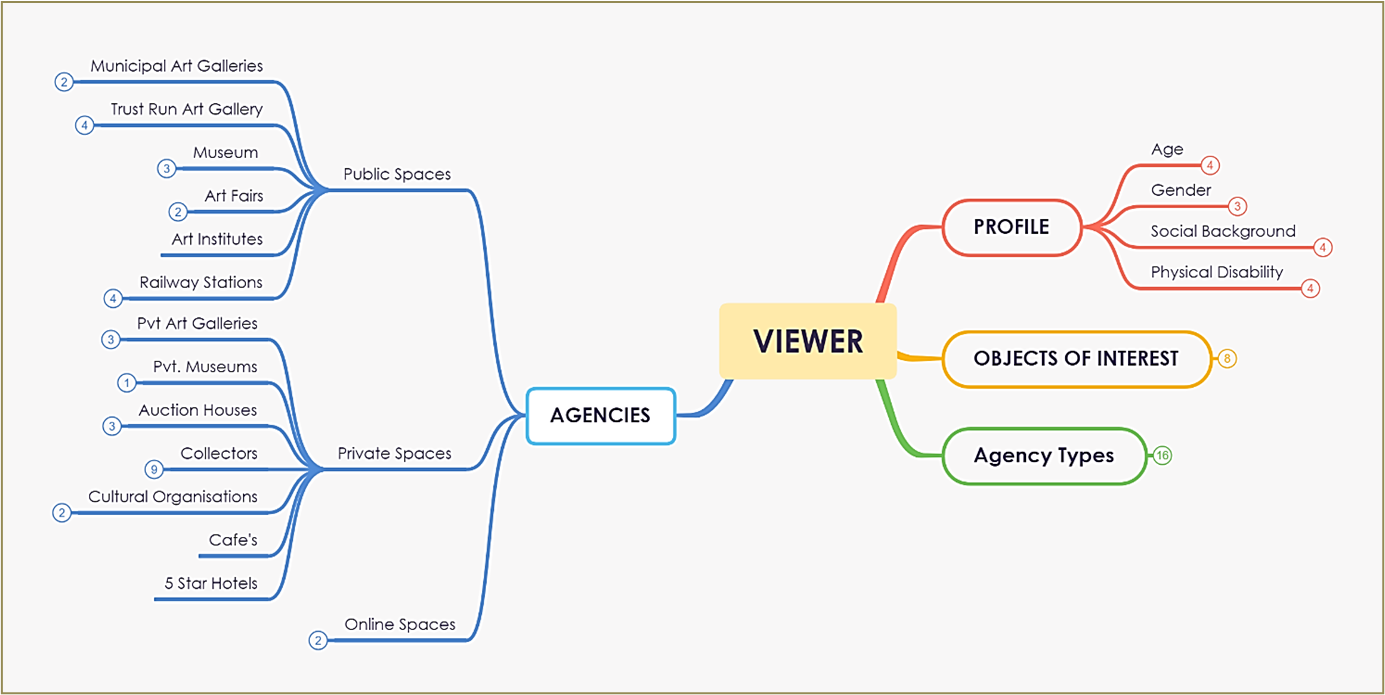
My exploratory research in 2019, supported by the Asiatic Society (Mumbai) inquired into factors of accessibility – those available, as well as the intent to provide them within the visual arts sector of Mumbai.
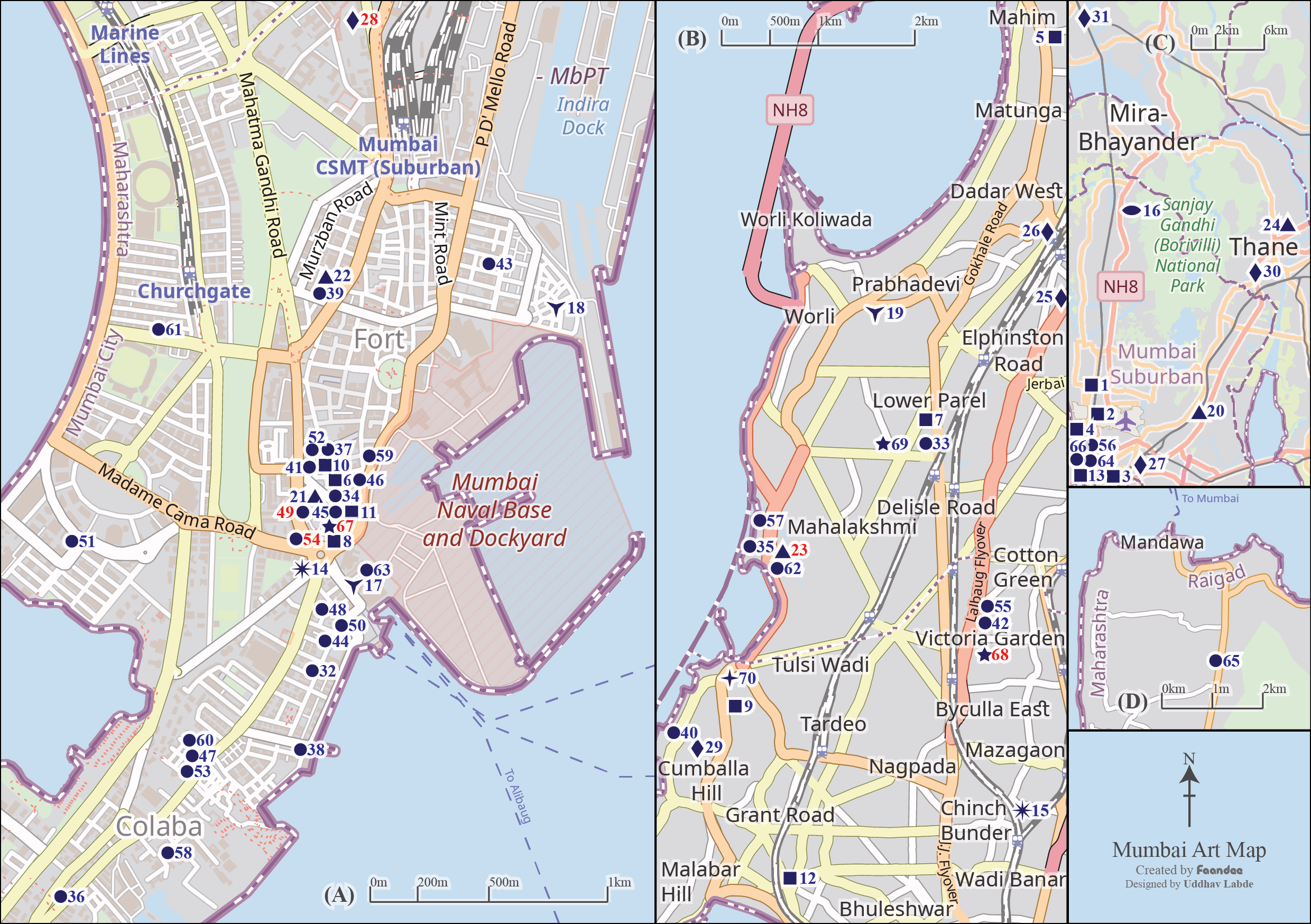
Inclusion and exclusion are topics of larger discourse, but the artworld was investigated based on quantifiable factors of mapping art spaces in Mumbai; their numbers, their physical and digital presence and programming, language of conduct, access to physically challenged citizens and google reviews, etc. Sudhir Patwardhan (artist), Mortimer Chatterjee (gallerist), Vidya Kamat (artist), Satyajit Dave (curator), Shreyas Karle (co-founder Cona), art educators, and informed exhibition visitors contributed to the understanding of the ecosystem.
The study identified language as one of the most significant yet under-addressed barriers. Many curatorial texts and wall descriptions in galleries are often written in dense, jargon-heavy English, meant for a highly informed audience. While private galleries welcome the public, their reliance on an English-speaking clientele means there’s little push to offer content in local languages. Only museums and government institutions are mandated to provide bilingual texts, despite the clear need for Marathi and Hindi interpretation.
Dr. Sudhir Patwardhan reflects on his own practice to underline a critical point: “replacing English with local languages is not enough. What’s needed is a transformation in how concepts are articulated in regional idioms. Artists must be trained and encouraged to write about their work in accessible language, which helps them articulate their intent clearly and allows audiences to engage with their work more meaningfully.”
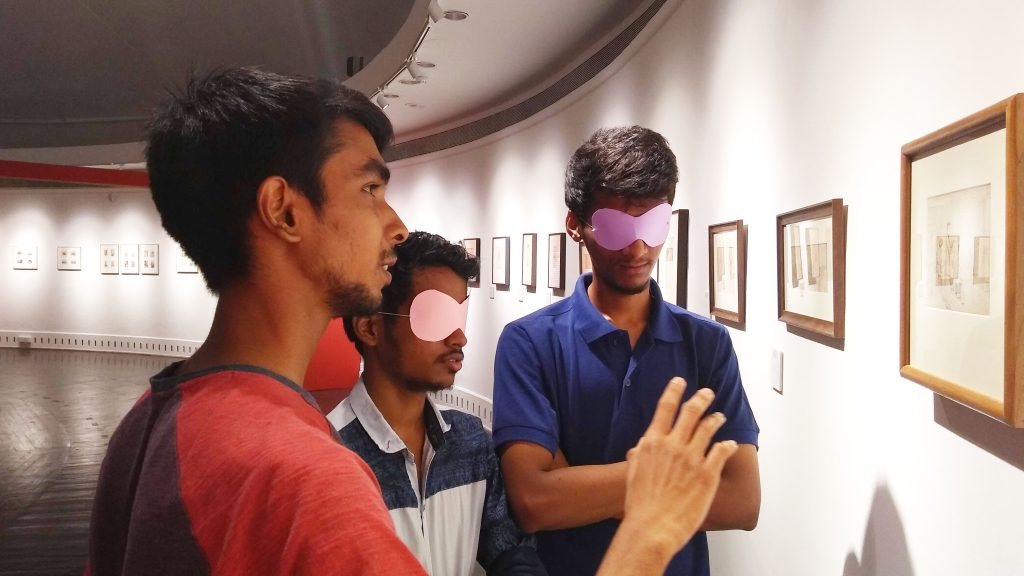
Many of us can remember how our school visits to a museum were held, wherein children swiftly move across the halls of exhibits with mere glimpses of individual objects. The same attitude is speculated to continue as adults often engage in quick, surface-level viewing. The absence of contextual guides, maps, or infographics in local languages further discourages deeper engagement. Furthermore, most of Mumbai’s art spaces remain wheelchair-inaccessible either owing to limitations of heritage structures or other real estate challenges. While making visual art accessible to visually impaired audiences is itself a convoluted thought, efforts of adapting conducive architectural design and audio based solutions could be a step – again seldom implemented due to lack of expertise and other resources.
Geographically 78% visual art activity remains concentrated in South Mumbai, whereas most artists hail from polar distances. Beyond the art world, engagement from the office-goers population in its business districts remains minimal, making art events largely exclusive to the privileged. Despite real estate growth in suburbs like Navi Mumbai and Vasai-Virar, these areas see little art activity, limited mostly to conventional fairs and circuses.
A deeply concerning outcome of the study is the decline in art education within Maharashtra’s schooling system. With the government discontinuing full-time appointments of art teachers and reducing class hours, students are being denied exposure to the arts at a critical developmental stage. This educational gap translates into a public less inclined to engage with visual culture later in life, widening the gap between professional art circles and lay audiences.
-Nikhil Purohit
Art Researcher, Art Administrator