
A place often becomes familiar through the images we encounter around it. A mural, an old building, a signboard, a monument, or even a familiar illustration can gradually shape how we see and imagine a city.
The other day, a friend and I were walking around Mala (Panaji, Goa) and eventually crossed one of the newer bridges towards Patto, where we came across a skate park. It made me realise how much this part of Panaji has changed since I used to visit as a child, when trips to Mala usually meant going to my Aji’s house and the Hanuman temple nearby. Walking through the vicinity got me thinking about how much of a city we understand through what we see. Murals, advertisements, signage, monuments, sculptures and installations gradually become part of how we recognise a place. Public art is one of the more recent additions to this visual landscape.
Over the last decade, Indian cities have seen a growing number of art districts, installations and site-specific projects entering streets and neighbourhoods. Delhi’s Lodhi Art District and Mumbai’s Sassoon Docks and Dharavi projects are some examples. In Goa, Panaji has seen its own series of public art interventions, particularly through the Serendipity Arts Festival and other such initiatives.
I first started thinking about public art while working on a paper about Goa’s visual identity. I was looking at how tourism imagery, popular culture, architecture and even familiar cultural figures such as Mario Miranda have contributed to the way Goa is imagined. This is where public art becomes interesting. It can reinforce the images we already associate with a city or introduce completely different ones. It is not only about what an artwork looks like, but also where it is placed, who encounters it and what kind of story it adds to that place.
In my earlier research, I began thinking of public art as something that brings the space and place around it into the artwork itself. It is shaped by the social, cultural and economic realities of where it is located, and in turn becomes part of how that place is experienced.
The rise of the art district
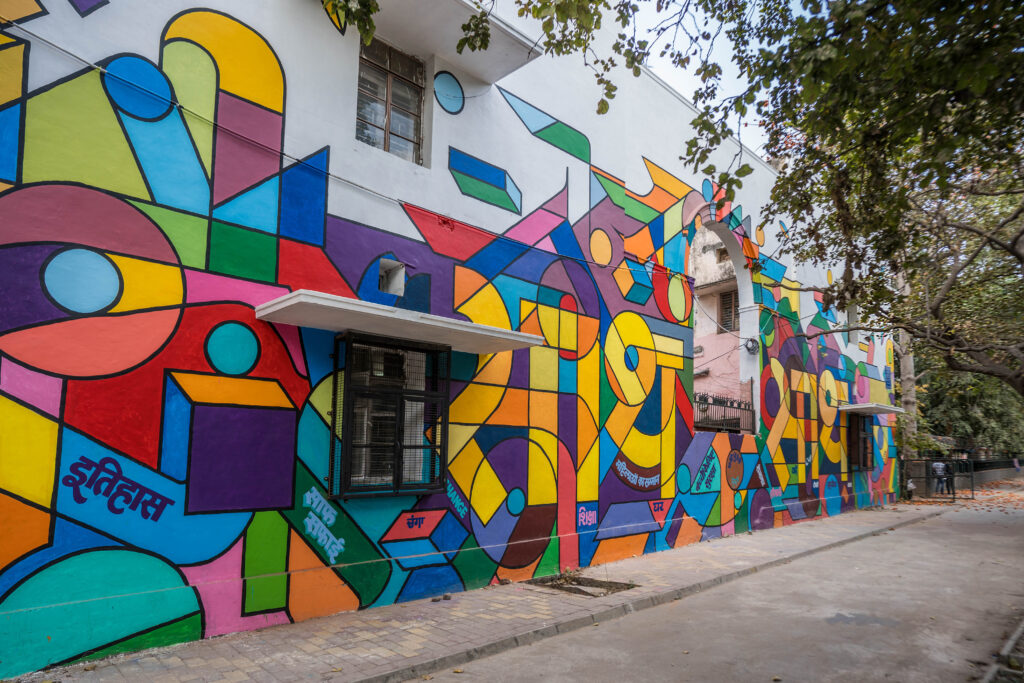
This is visible in the emergence of art districts across Indian cities. Delhi’s Lodhi Art District, for example, transformed an existing residential neighbourhood through large-scale murals, adding another layer to how the area could be perceived and interacted with
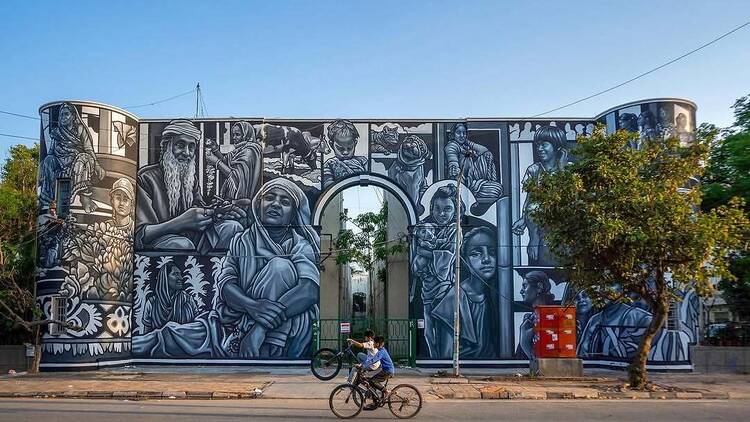
But public art also raises questions about representation. In Mumbai, projects in places such as Sassoon Docks and Dharavi have brought attention to local communities and histories, while also turning everyday neighbourhoods into spaces that outsiders visit and photograph.
This is where public art intersects with tourism, visibility and gentrification, raising the question of how increased cultural attention changes the way a neighbourhood is valued and who benefits from that visibility.
Public space is not experienced equally by everyone, and questions of gender, caste, class and sexuality shape who feels represented within it.
Siddhi Arsekar
Siddhi Arsekar is an arts researcher and arts professional with a background in painting and art history. She works across arts management, research, exhibition and programme development, and writing, with an interest in contemporary art and cultural practices.