
Recently, the team at LVAC has been investigating interactive technologies and digital interfaces in connection with upcoming museum development projects. To this end (and even otherwise), we visit every museum we come across – in any city. It is a sad truth that among the older Indian ‘state’ museums, many dating from colonial times and just after, most remain stuck within the stronghold of obsolete systems – barely even changing lighting infrastructure, the pedestals or the terminology in captions (often politically incorrect in today’s context). There are however a few new impressive spaces – like the Bihar Museum for instance, an inspiring piece of architecture in Patna with state-of-the-art display systems and a certain amount of dedicated interactive material; the privately founded Museum of Art and Photography (MAP) in Bangalore, the has collaborated with major IT firms in the city to set up break-through digital galleries that audiences can choose from; the extensive Humayun’s Tomb Complex museum in Delhi that introduces audio-visual and projected components to carry forward the historical narrative of objects; and the small but tech-first museum of Goan history housed at the refurbished Aguad Jail complex in north Goa, to name a few. The pandemic period pushed a lot of institutions into kickstarting the use of tech in order to maintain their audiences virtually, and many of them continued beyond the basics, not only to digitise the collections but to accelerate remote viewership.
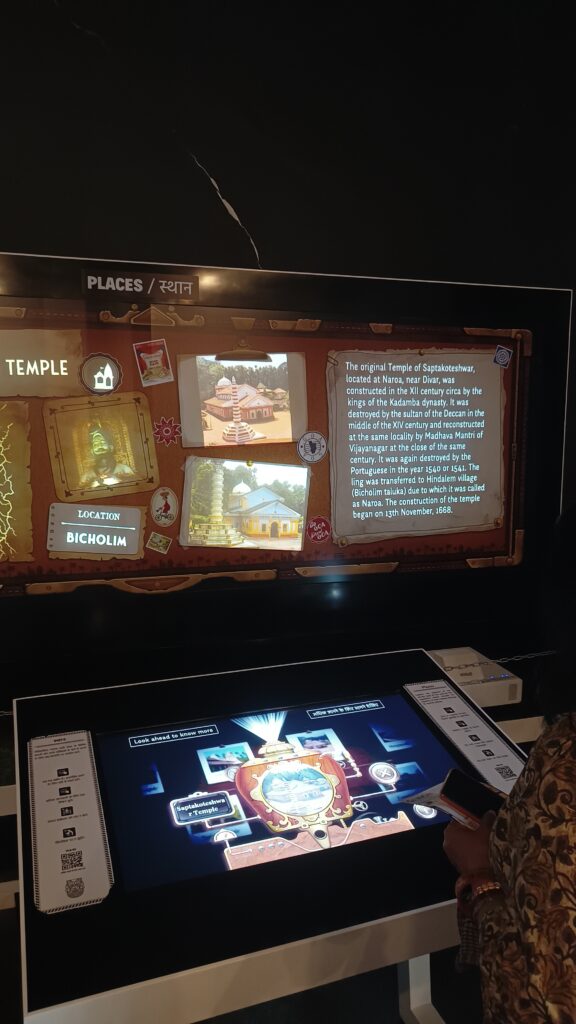

Here we come to an important element in the use of technology in physical spaces– how much is feasible, user friendly and functional in terms of audiences of a wide variety, some of them unfamiliar with instructions or the language they are written in? Frequently, I have noticed confusion, wrong usage, and sometimes anger at interfaces when there is no mediator and the viewer fails to achieve the experience offered. In the past I have curated public exhibitions where gadgets like tablets, headphones and other devices have been stolen despite regular monitoring. QR codes and links can often be accessed with specific smart phones and good internet connections – this then creates an unnecessary drawback for audiences without specific privileges.
How much is any museum studying the impact of different technologies within the user-base in order to enhance the access and interactivity? Another issue here is maintenance. If there is technology, there also have to be regulations for checking failures and faults, and developing systems for repair and continued usage. So far, this seems very questionable, as even in a new museum like the one at Aguad, Goa, many of the kiosks, projections and interactive hubs have failed and are marked ‘out of order, inconvenience is regretted’. So, are we even ready for futuristic interfaces that include AI and simulated settings?
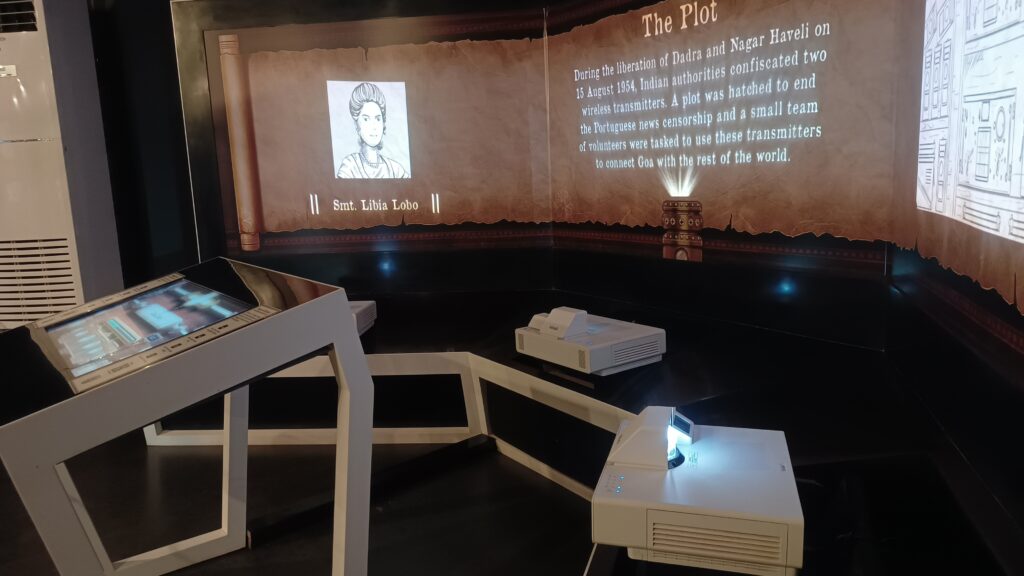
AI is the elephant in every room, particularly in those that contain culture workers, artists, designers, and creators. While it’s use in documentation, conservation, accessibility, and experiential systems is valid and promising, methodologies of use and a deeper understanding of the medium is yet to seep into our professional spaces.
As we mark another World Museum Day, I stop to think of the many variables that are part of this discussion, and consider the possibilities that could help us make positive changes in these spaces of belonging.
Lina Vincent